目次
1. I take the measurements and enter them on the web.
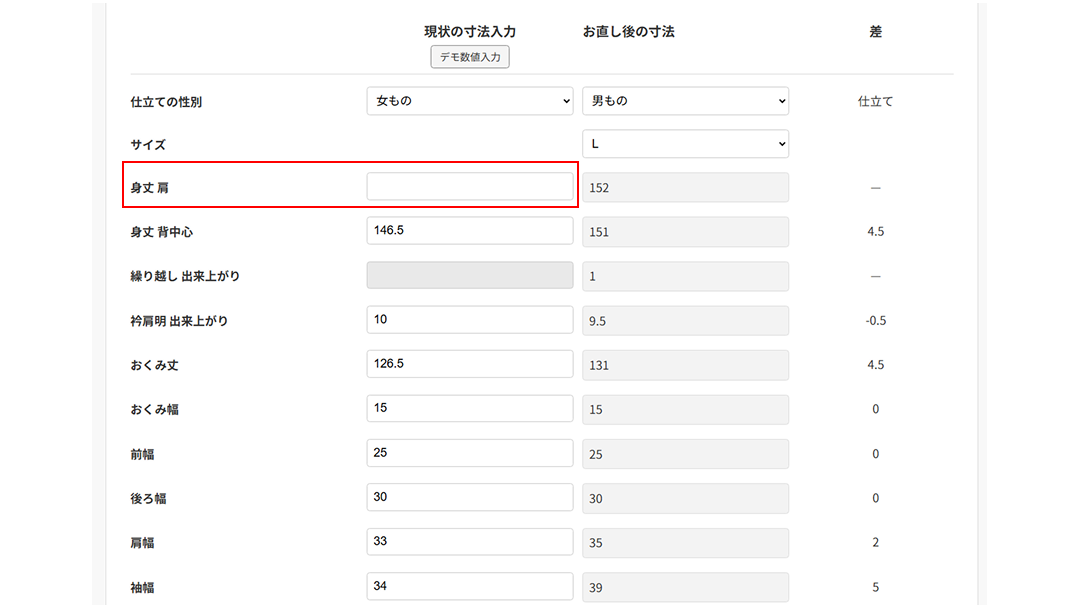
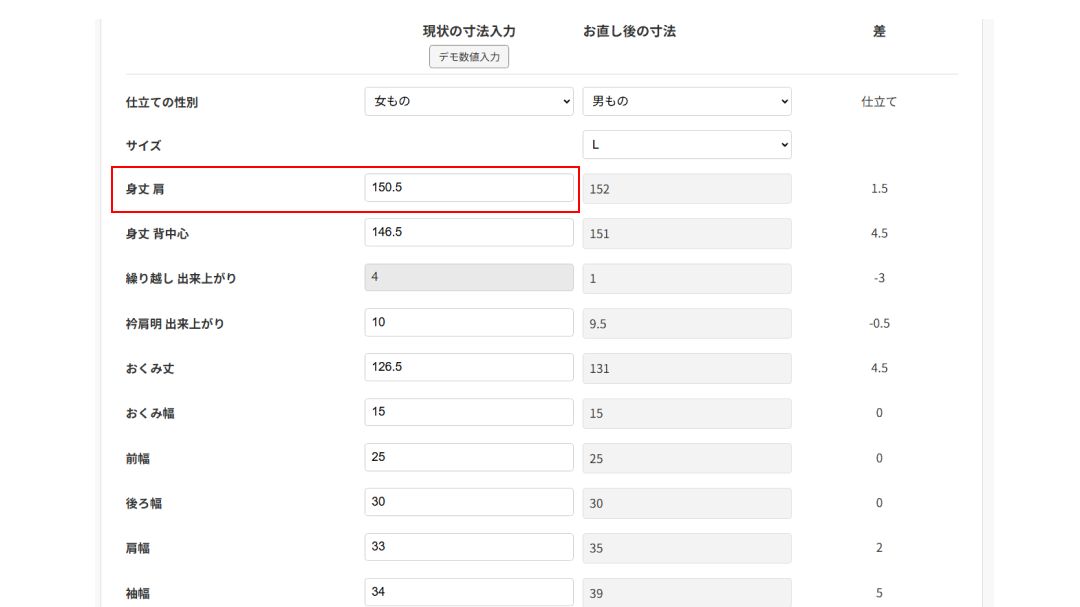
2. I check how the kimono I have is tailored.
· Lining: this time it is awase (lined)
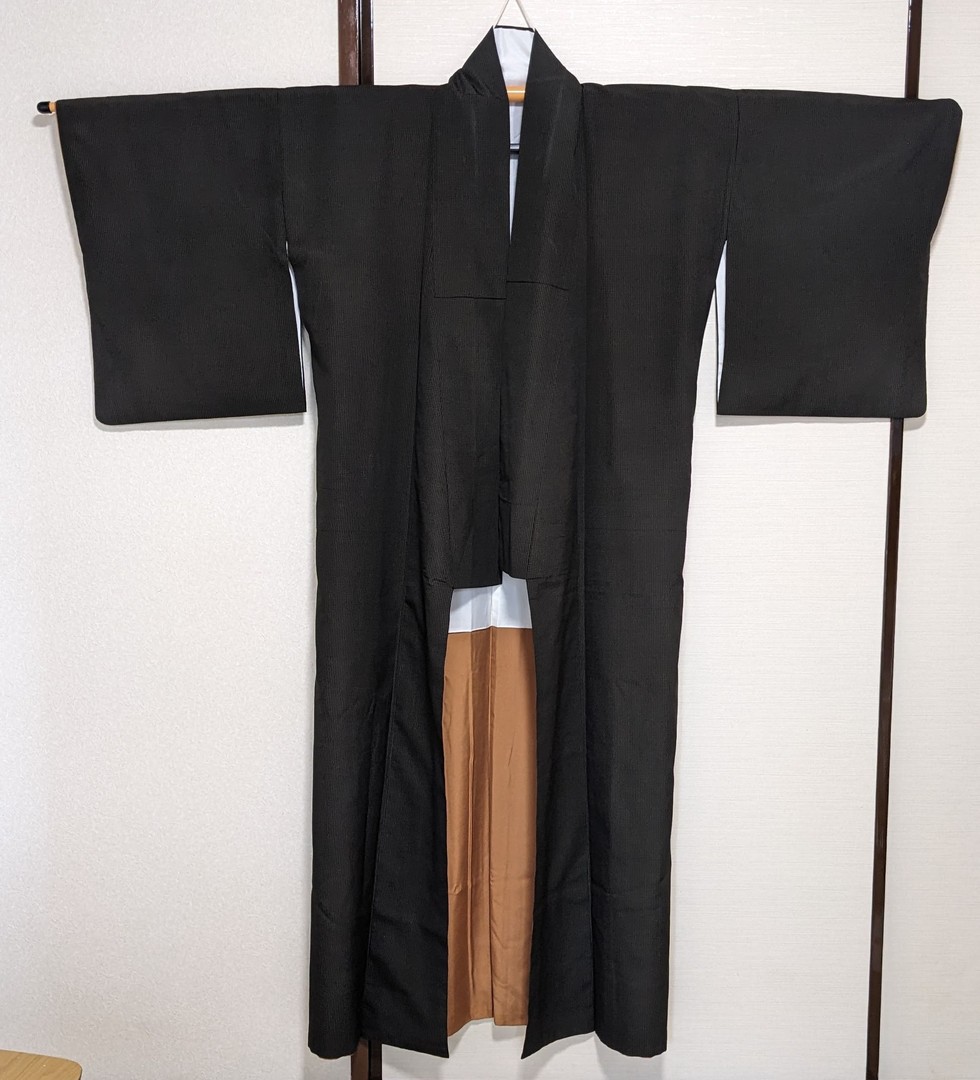
· Sleeve shape: this time it is furi
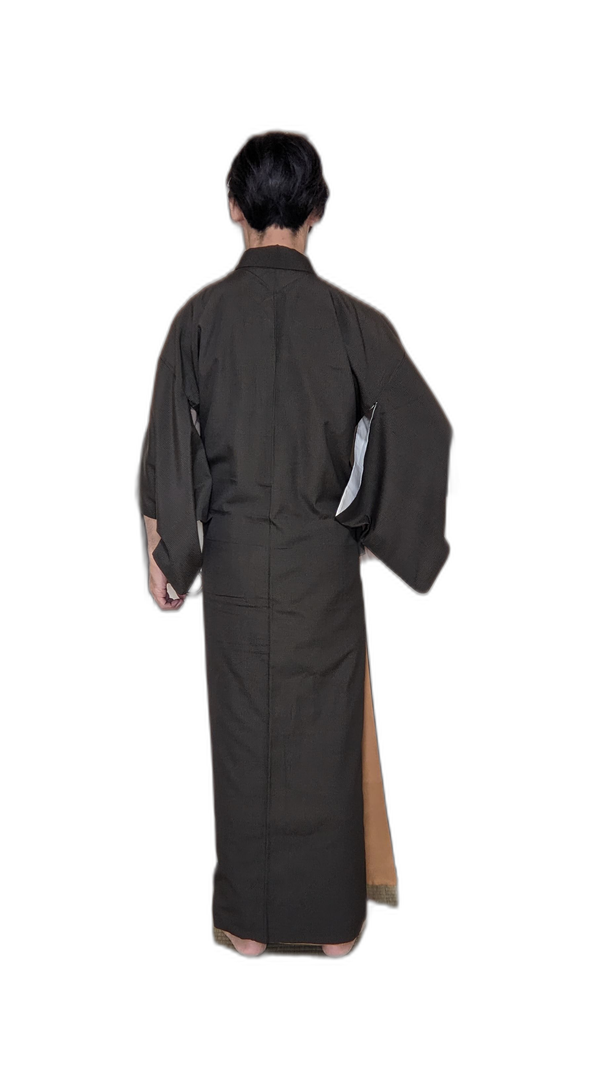
On a women's kimono, the back of the sleeve is open (furi).
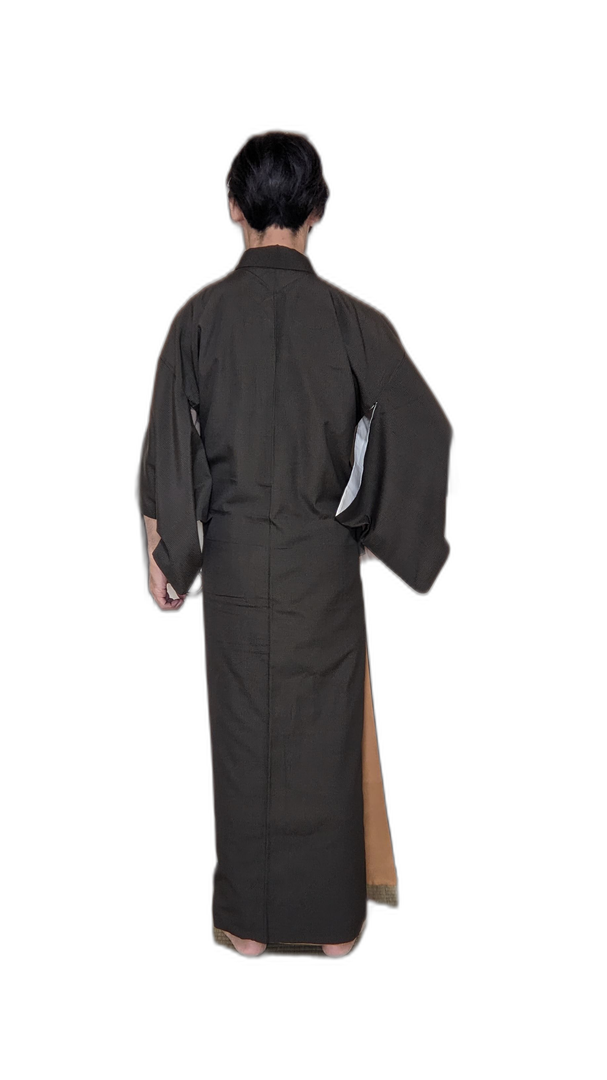
On a men's kimono, the back of the sleeve is closed (ningyo).
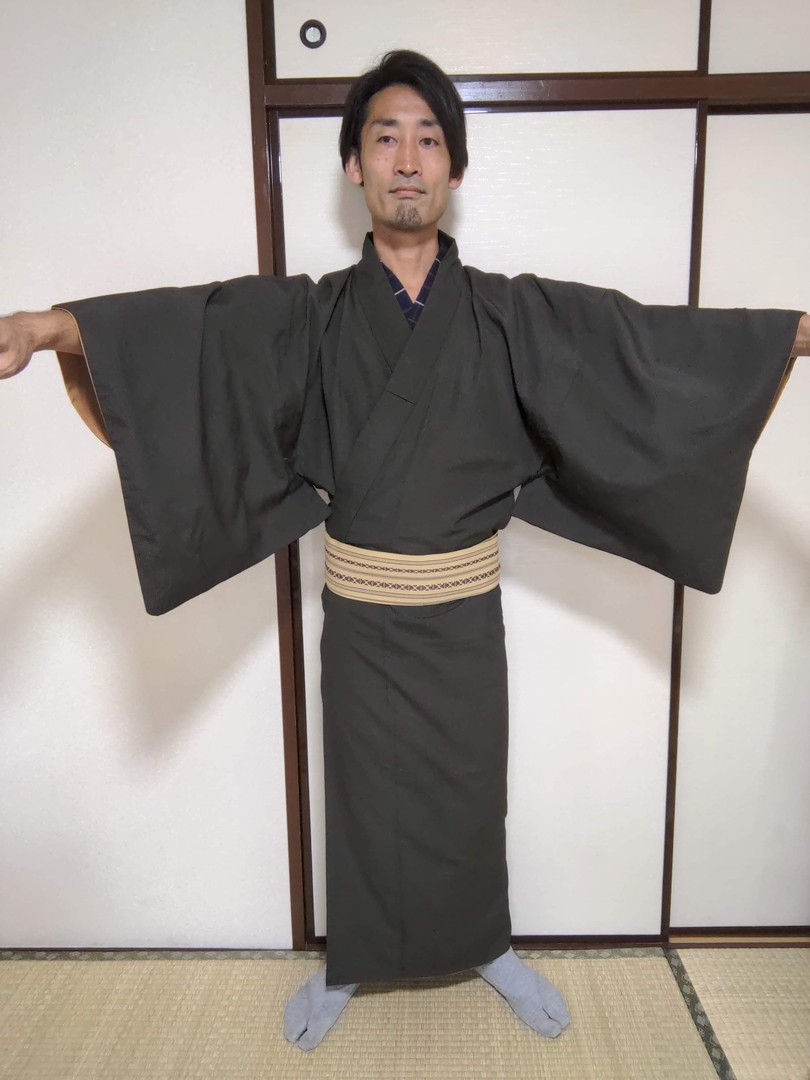
· Collar shape: this time it is a wide collar (women's)
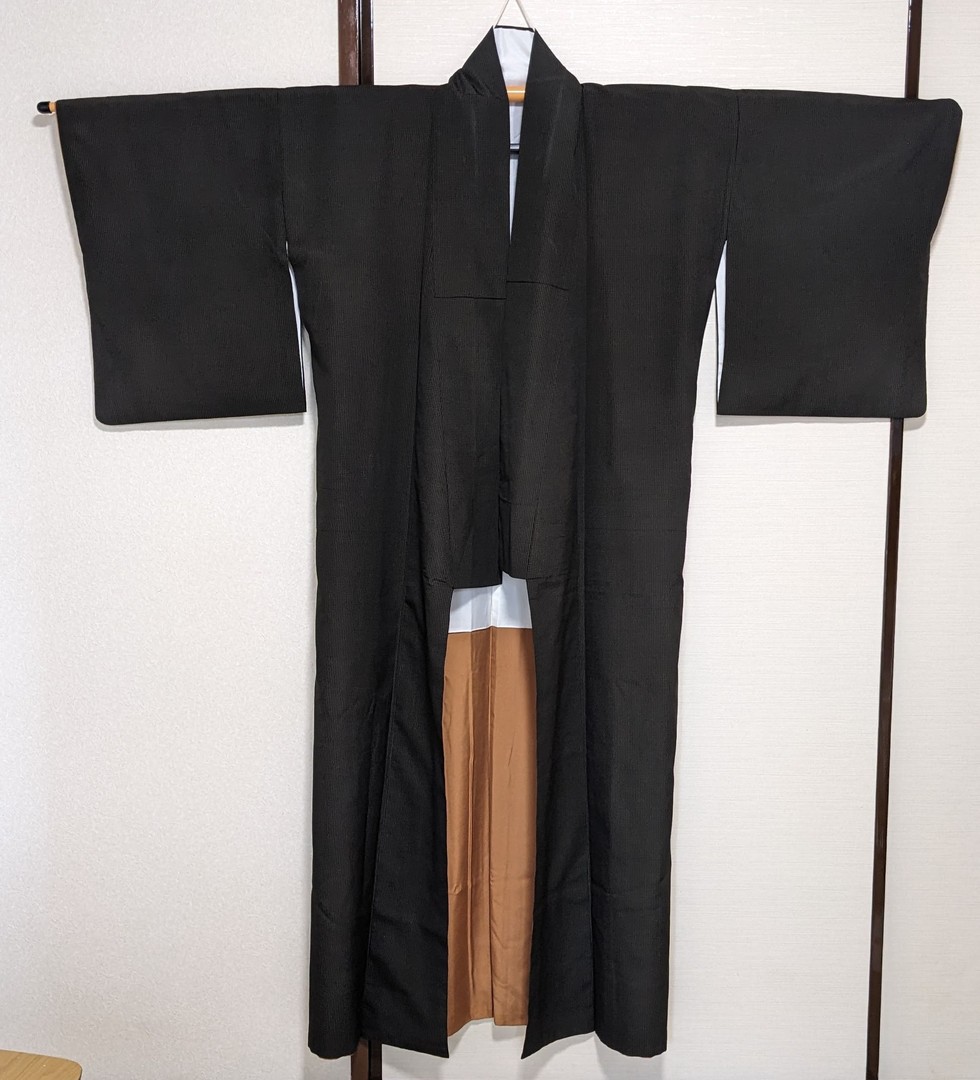
A men's kimono has a bar collar.
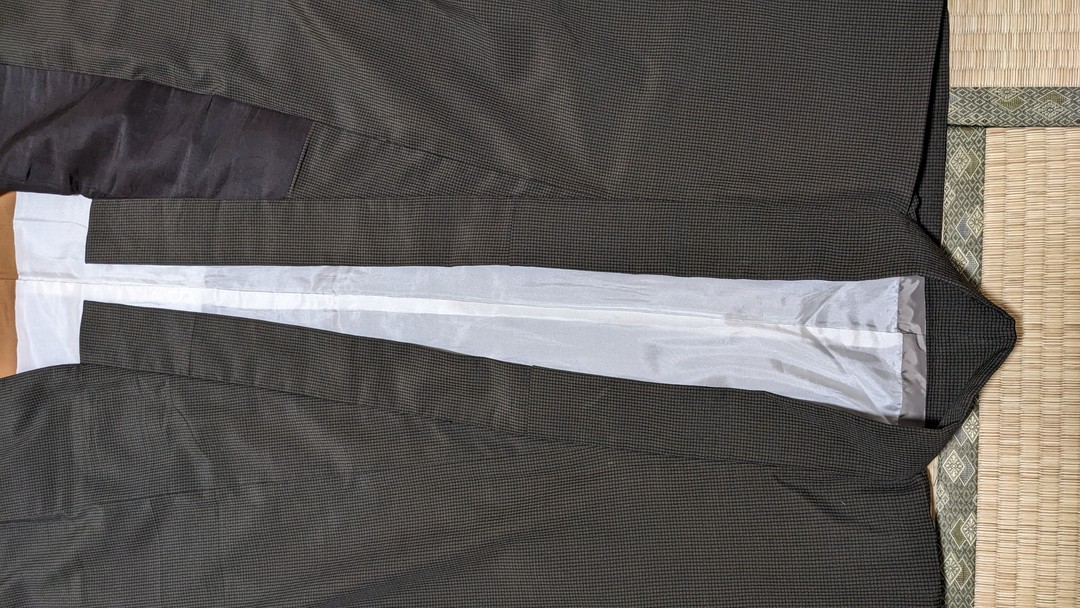
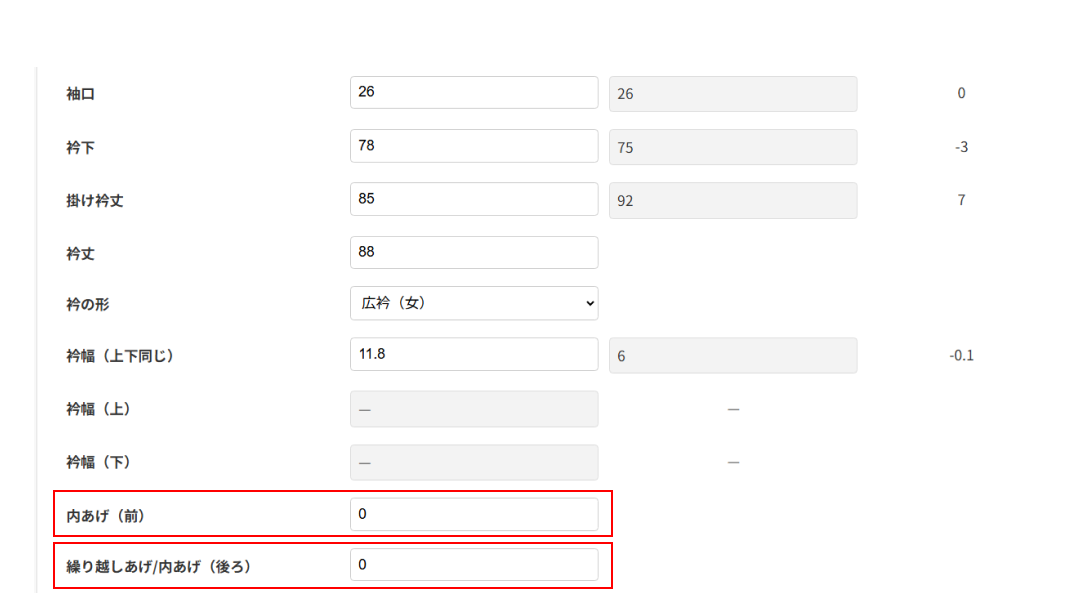
· Age: whether there is age, inner age, kurikoshi age, and their lengths
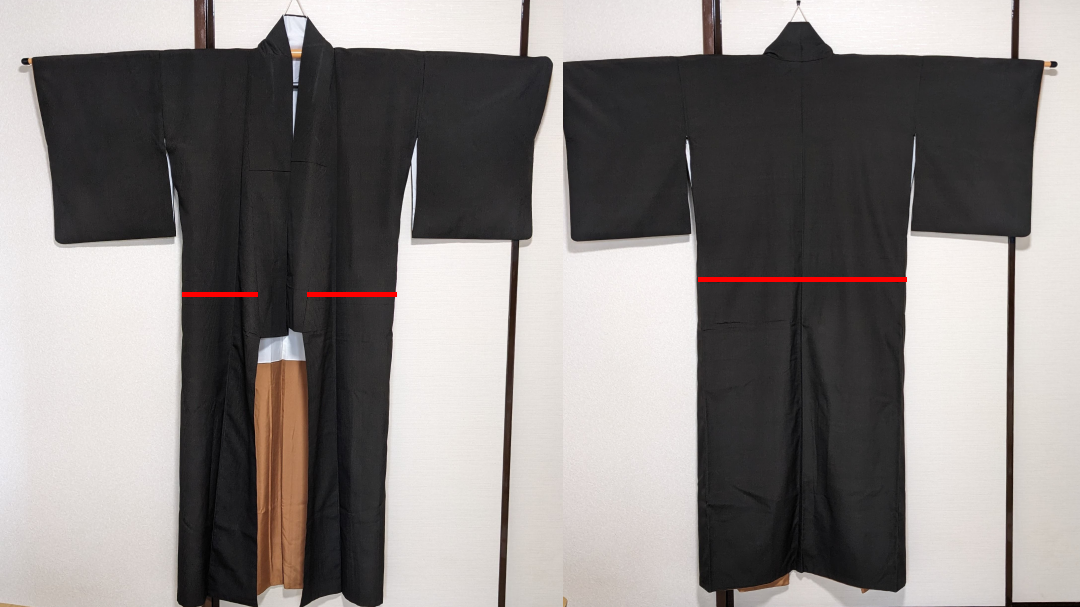
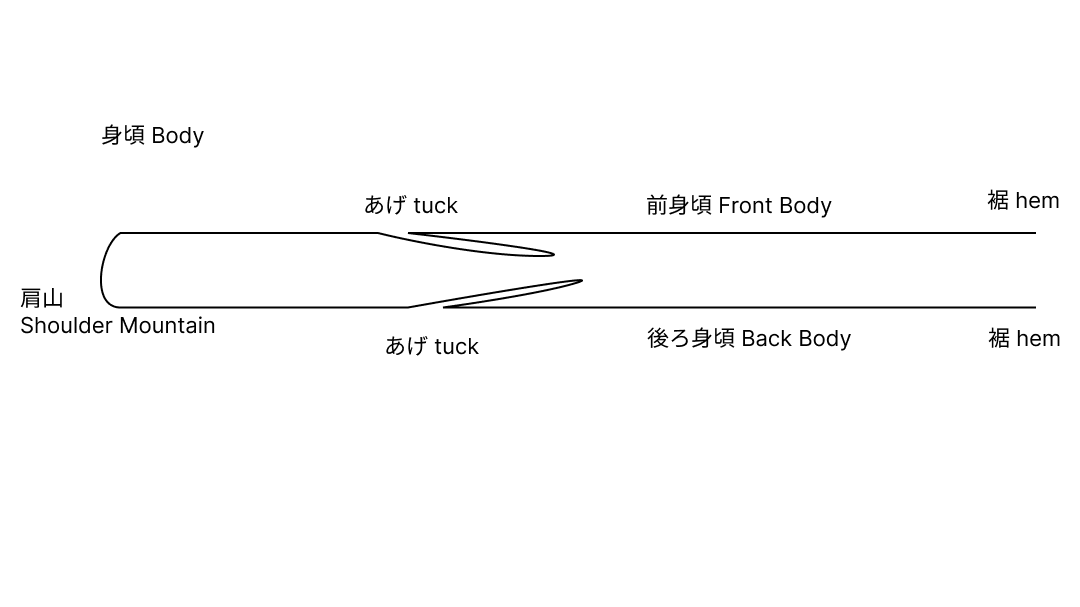
Age is extra fabric sewn in for alterations, around the waist and
similar places.
It is fabric folded and kept like this on the inside of the body.
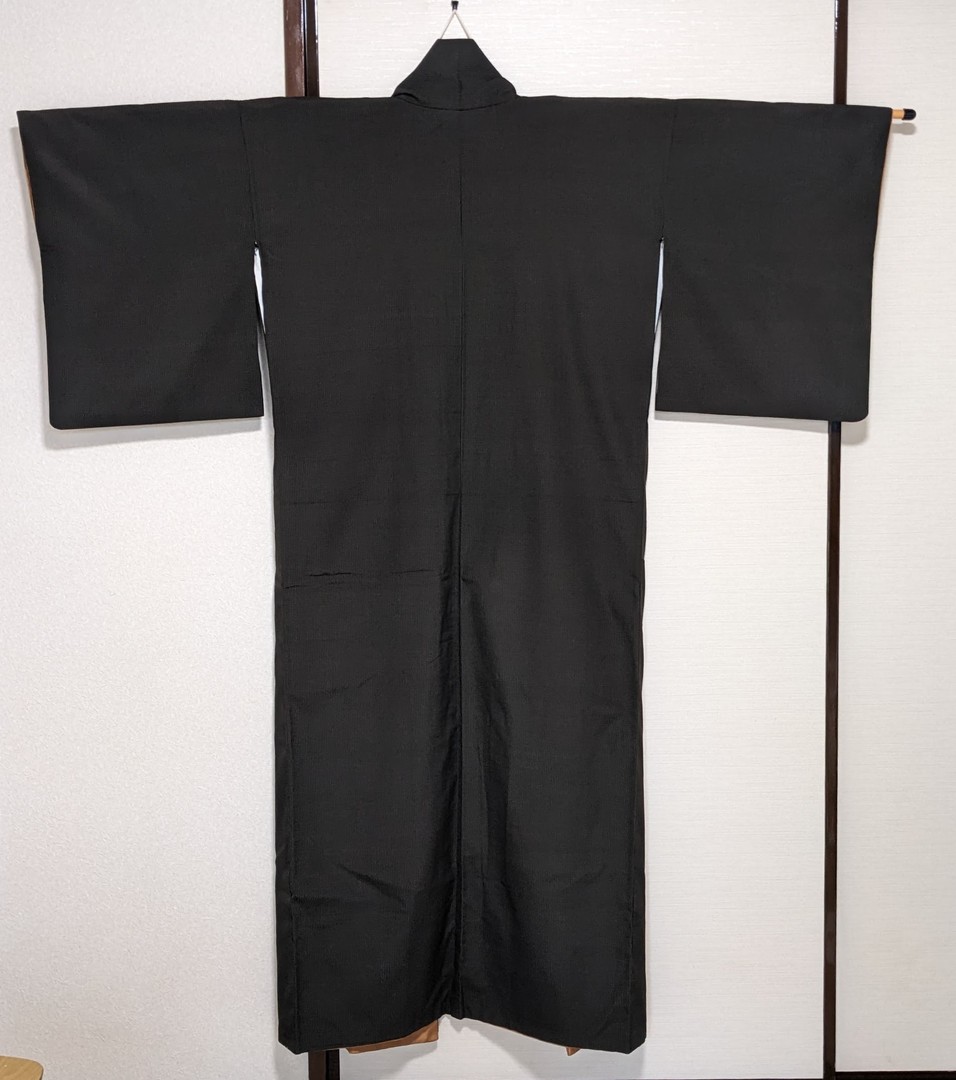
This time there is no age. I cannot lengthen the mitake (height of
kimono).
· Length of the seam allowance: sleeve sodetsuke, body sodetsuke, and so
on
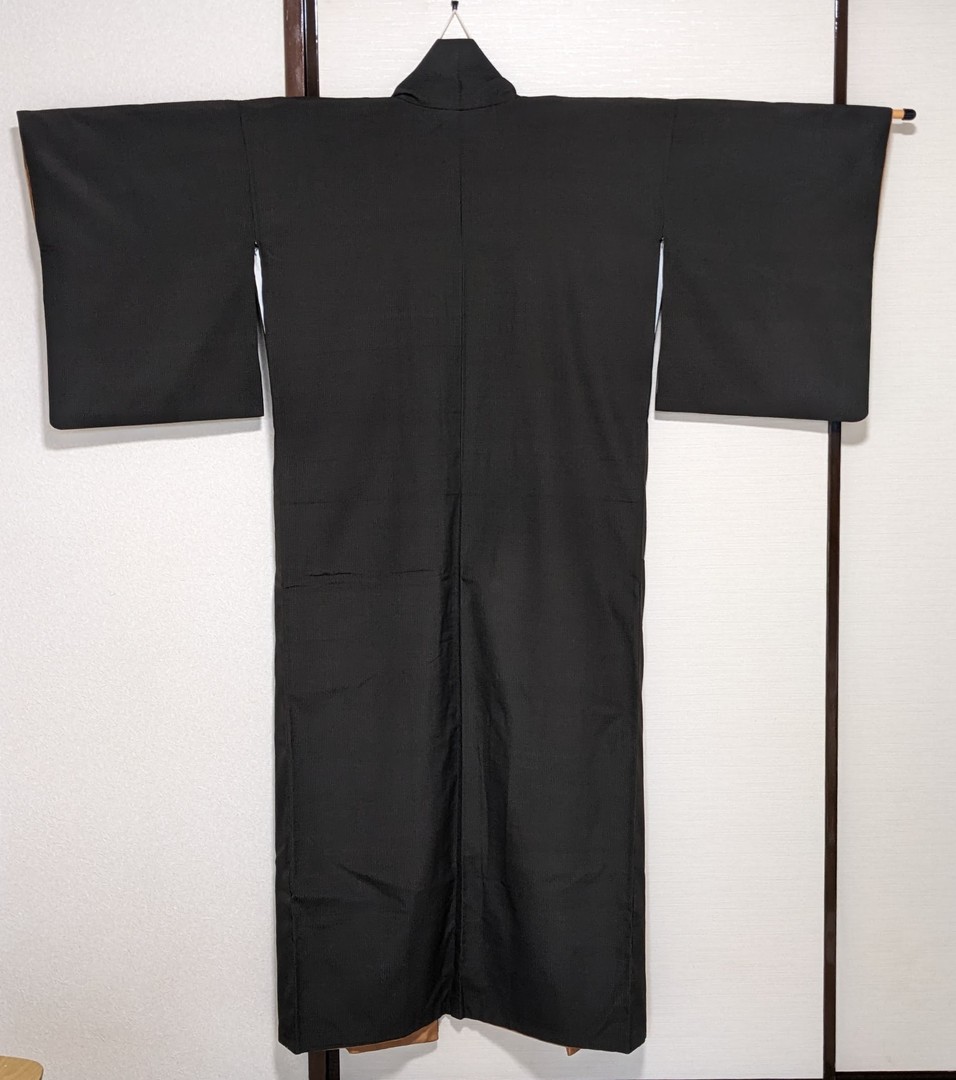
(Unlined) I look at the wrong side of the sodetsuke, and check whether a
seam allowance wider than 1.5 cm is included.
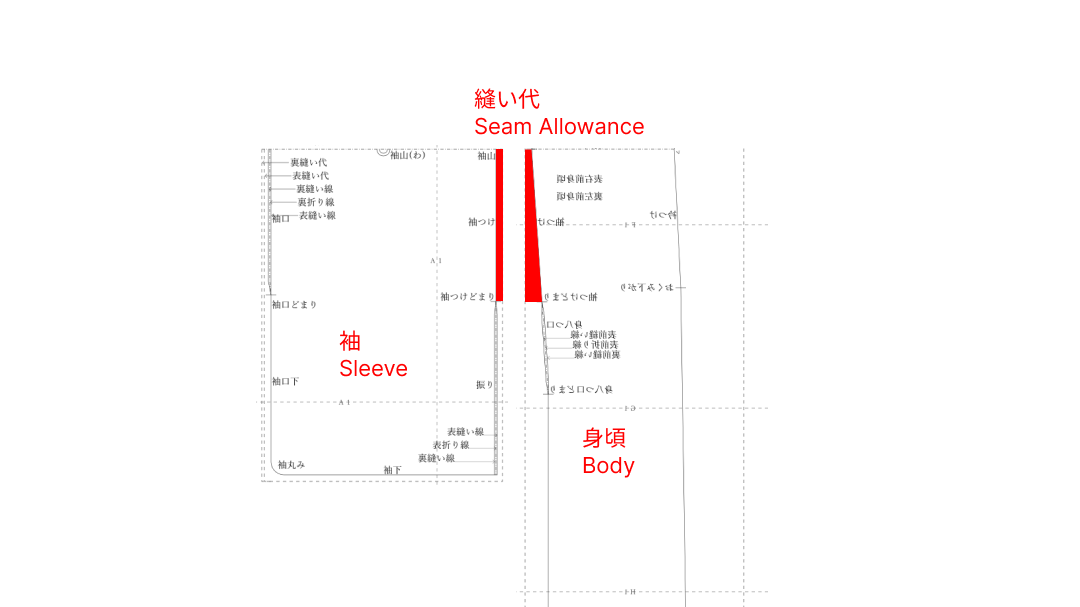
(Lined) I feel the sodetsuke, and check whether a seam allowance over 1
cm is included.
This time there is not 1 cm or more of seam allowance, so I use patch
fabric to lengthen the yuki (sleeve length).
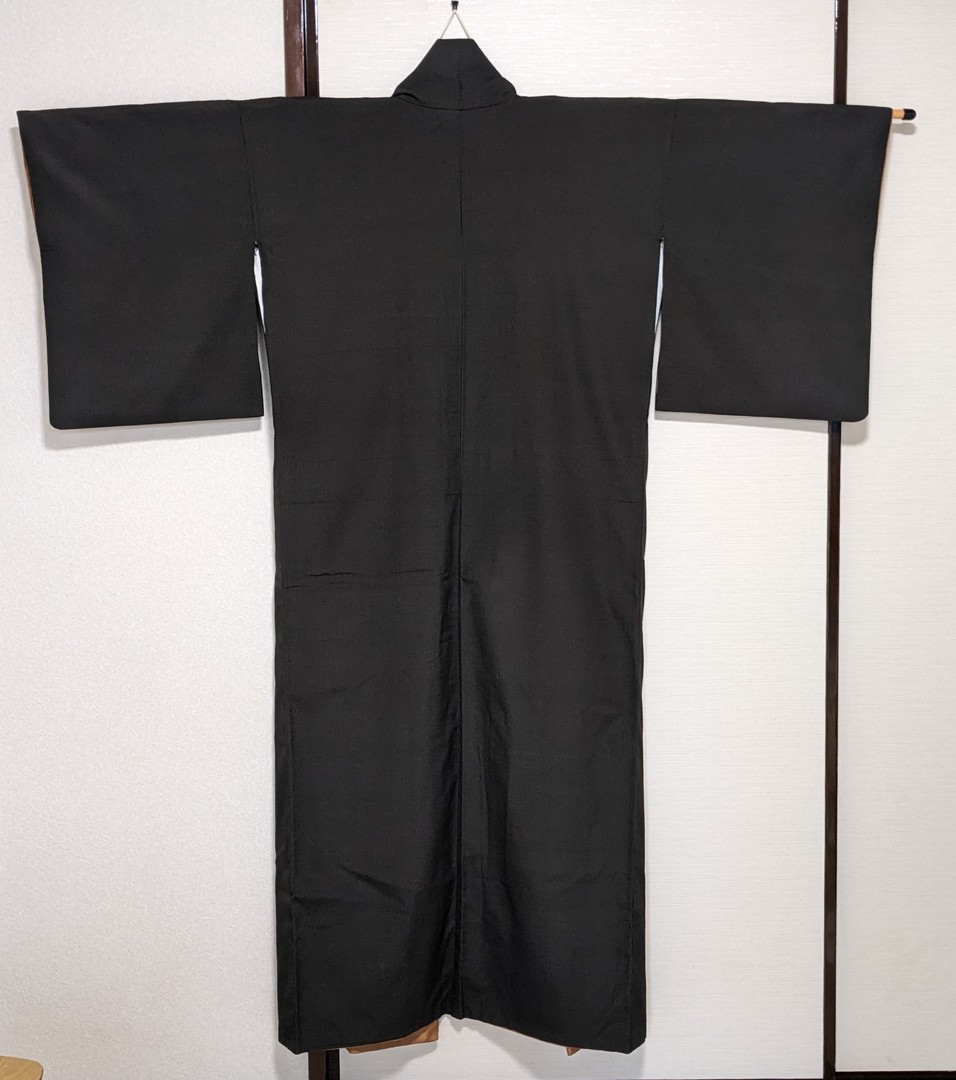
I enter the age on the web.
3. I choose the measurements I want on the web.
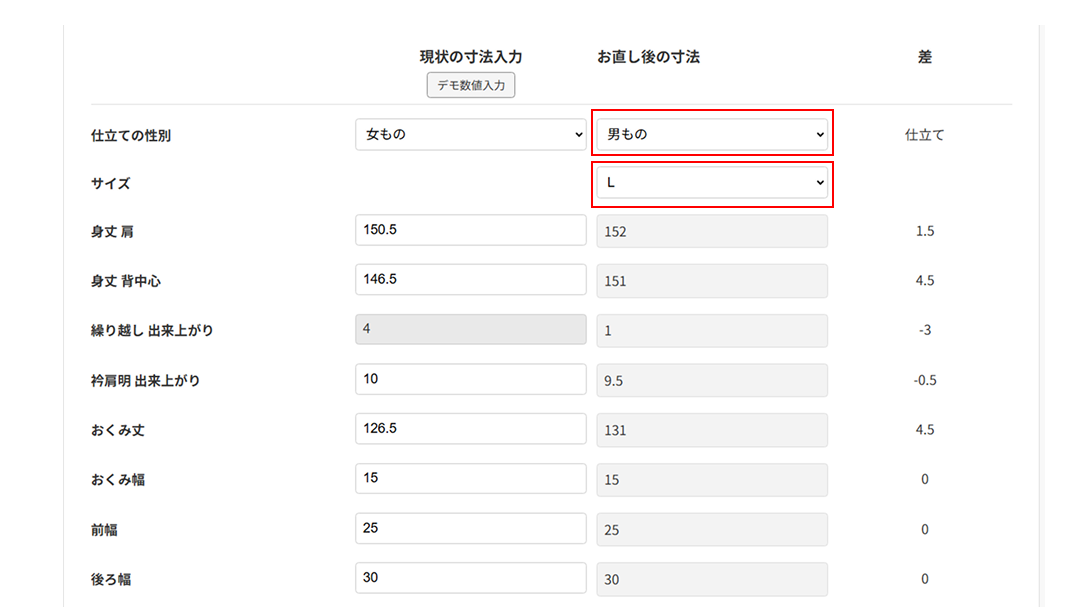
Then the difference between those measurements and the current ones is
calculated automatically,
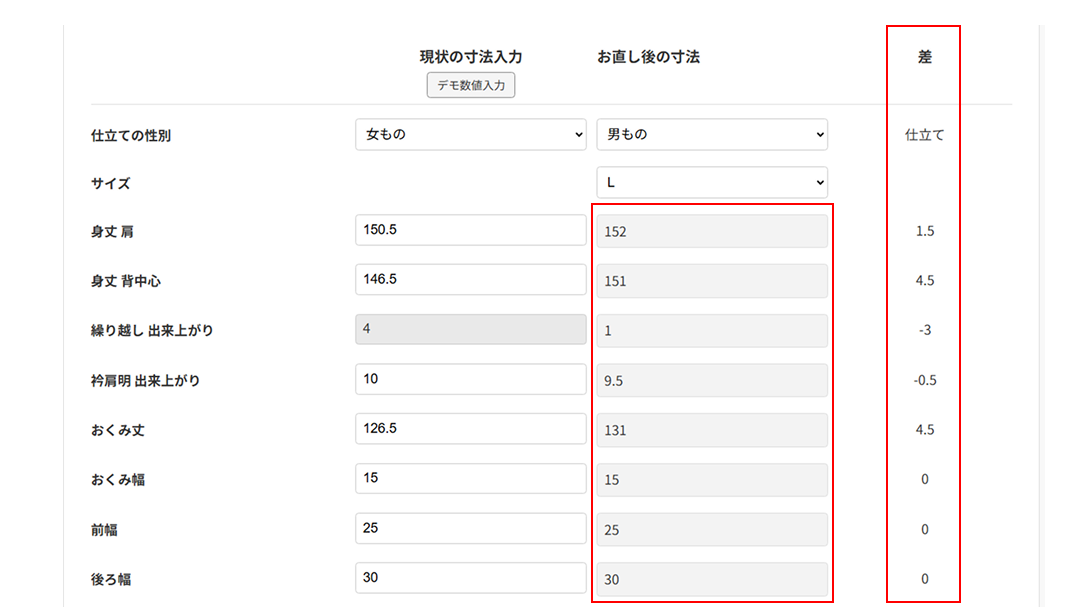
and where to alter is shown.
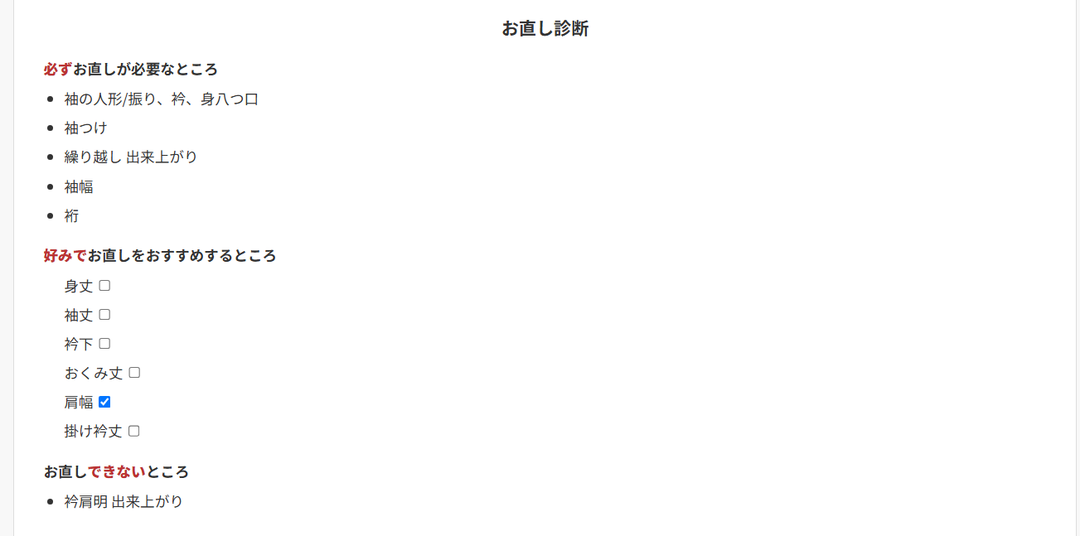
This time I alter the following.
· Sleeve ningyo/furi
· Collar
· Miyatsuguchi (side hole)
· Sodetsuke
· Kurikoshi (finished)
· Sodehaba (sleeve width)
· Katahaba (shoulder width)
4. I unpick the kimono
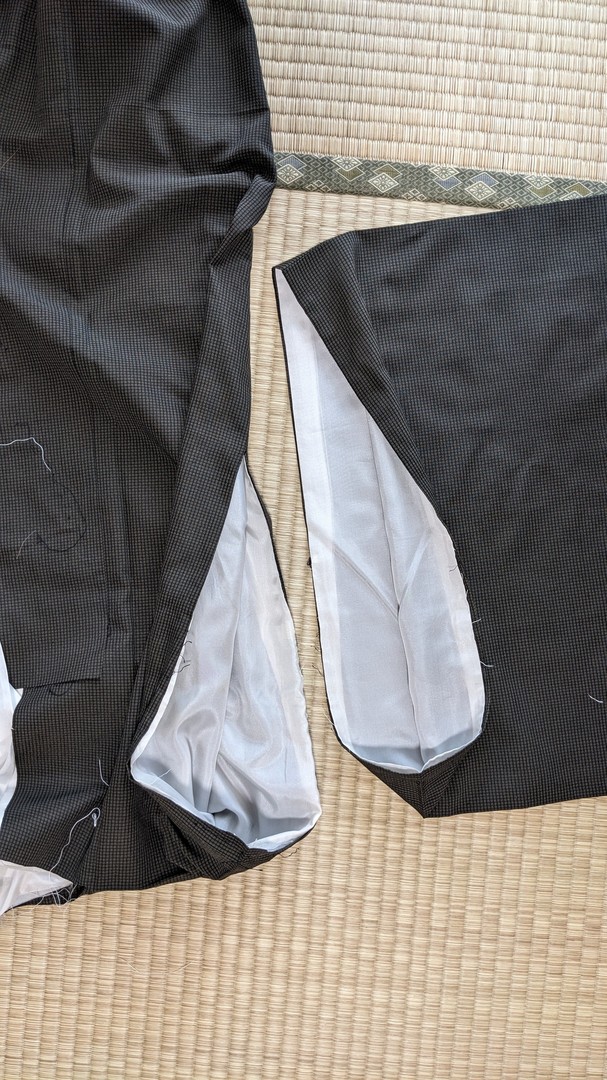
This time I unpick the sodetsuke, furi, collar, right okumi, and
miyatsuguchi.
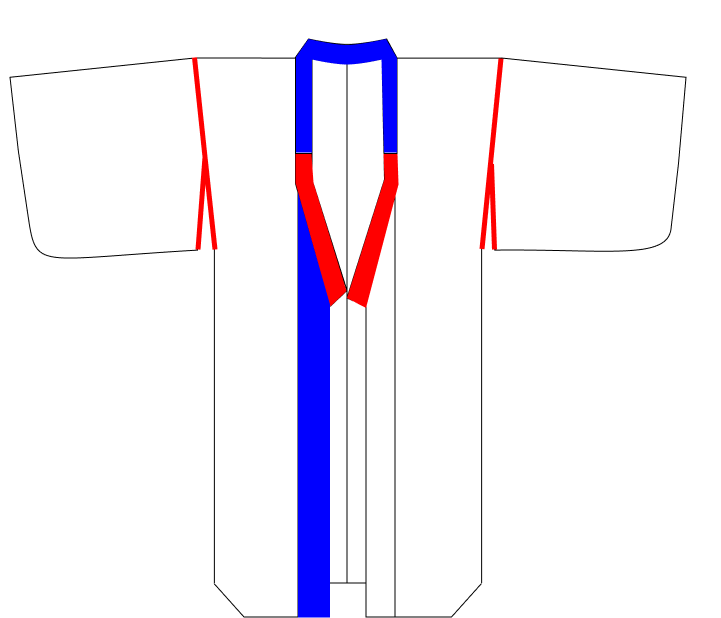
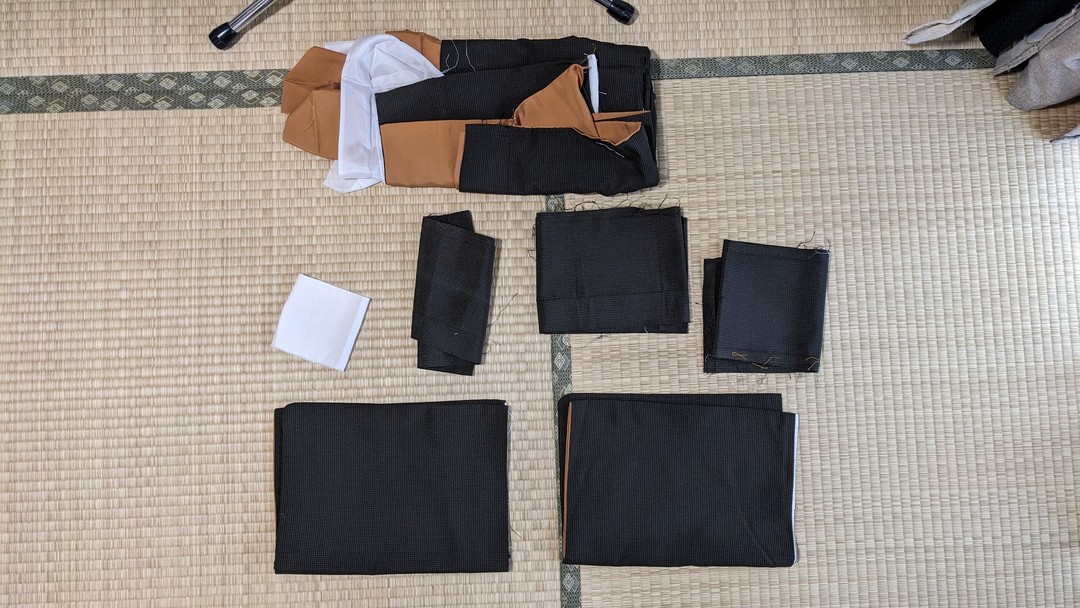
The unpicked area
5. I cut the patch fabric out of the existing kimono.
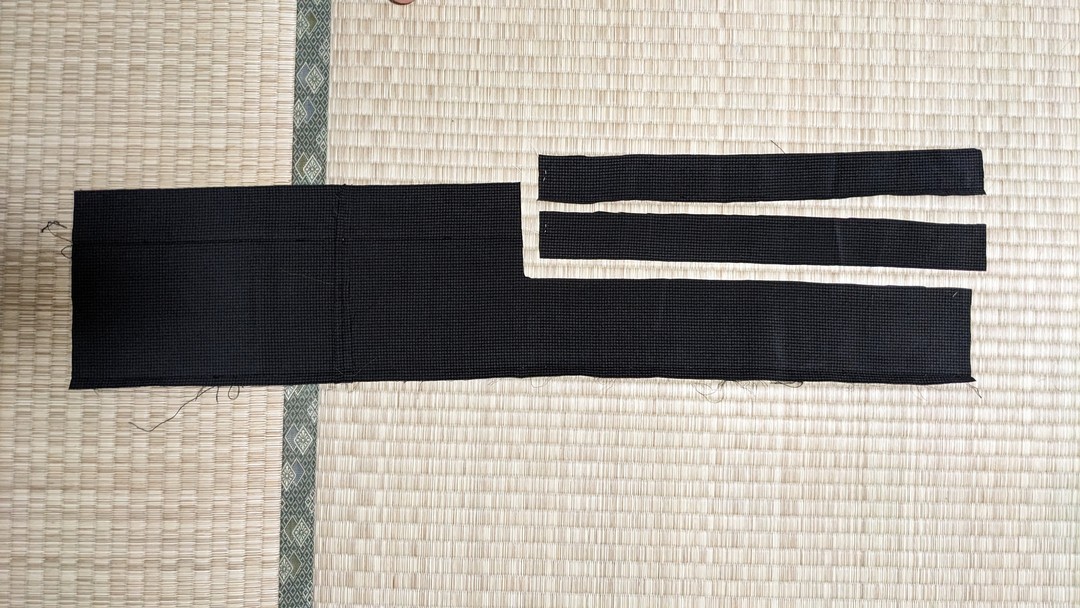
This time, from the collar on the inside of the cover collar, and
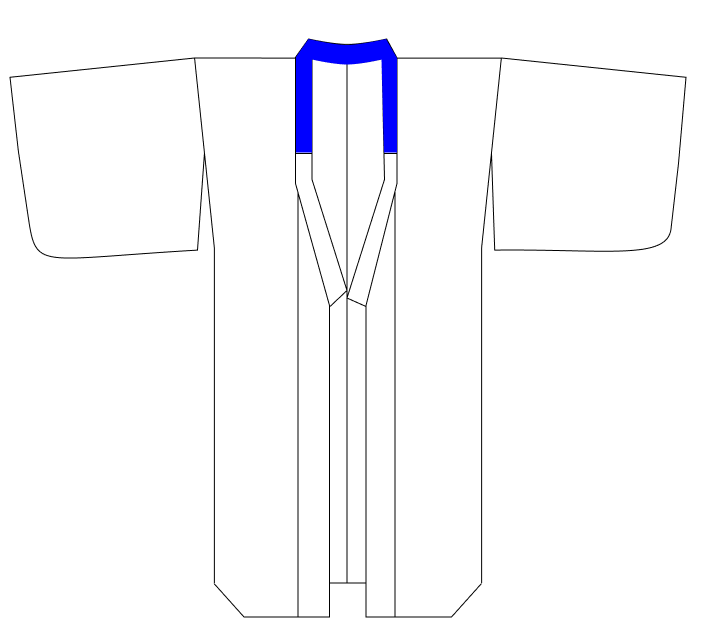
from the right okumi.
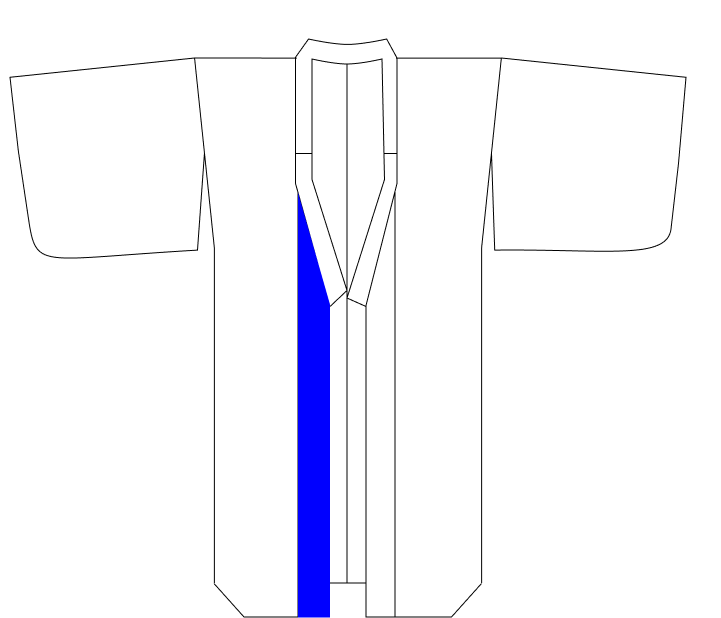
First, I cut out the collar on the inside of the cover collar.
It split into three. This is called a three-piece collar.
I leave both ends, and use the middle as material.
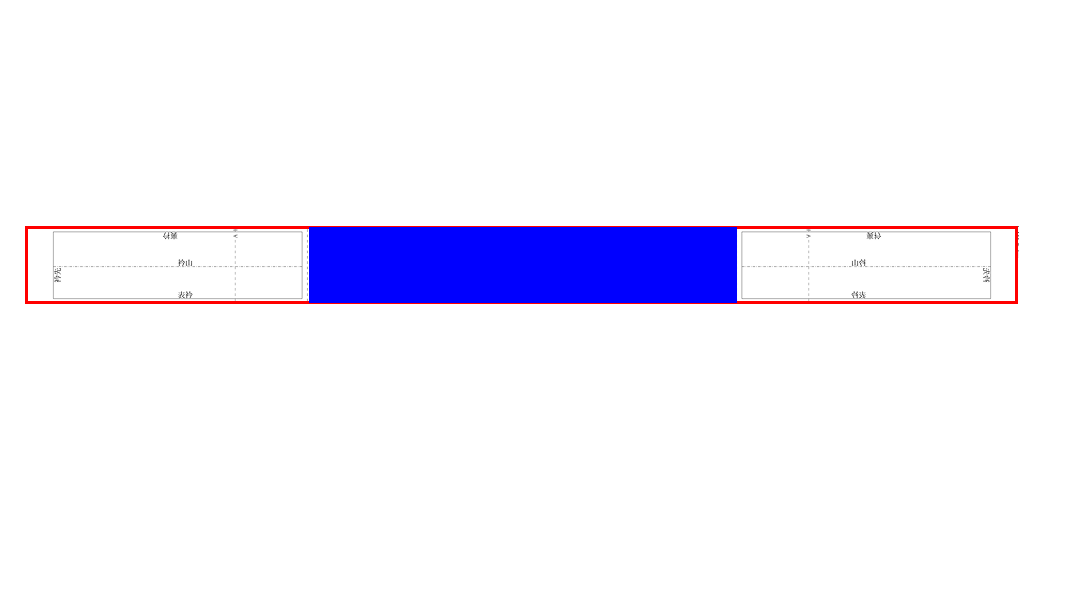
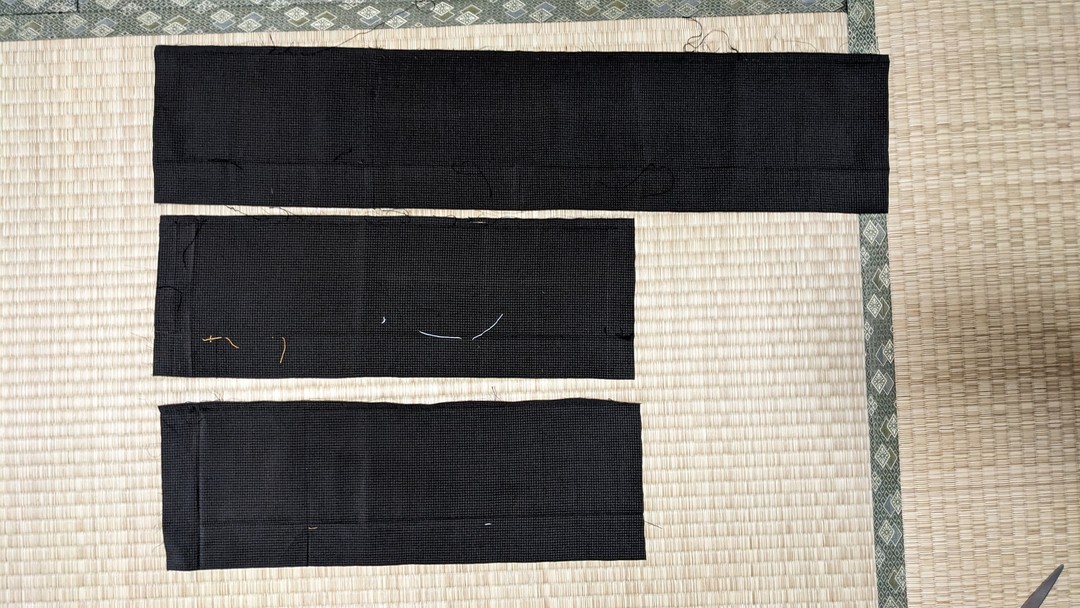
I cut further from the middle of this collar.
This cut-out piece will later be the patch fabric for the body's
sodetsuke.
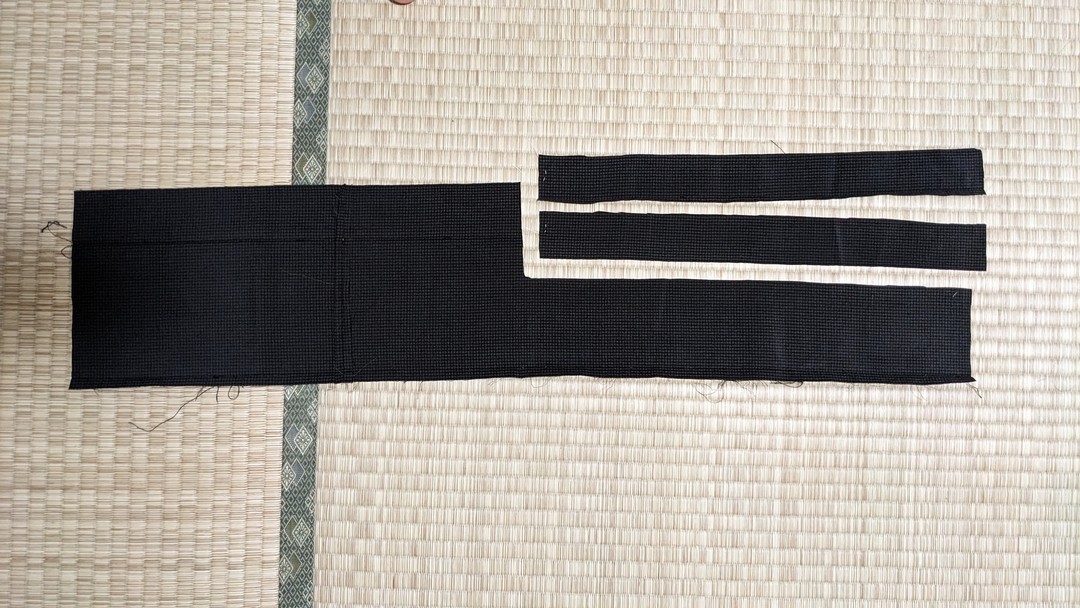
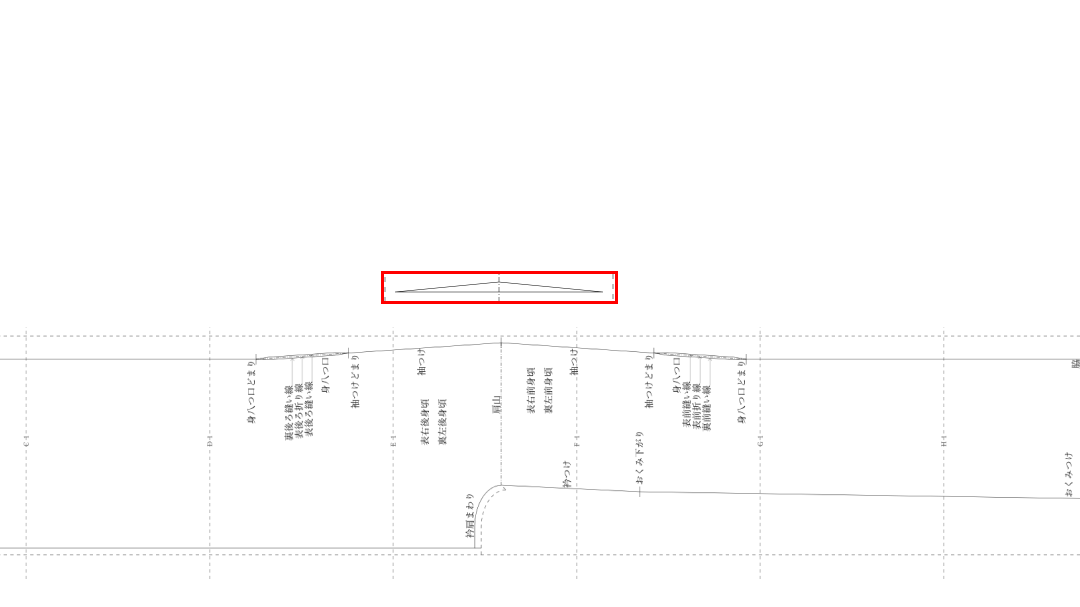
Next, I cut from the right okumi.
This will be the patch fabric for the sleeve's sodetsuke.
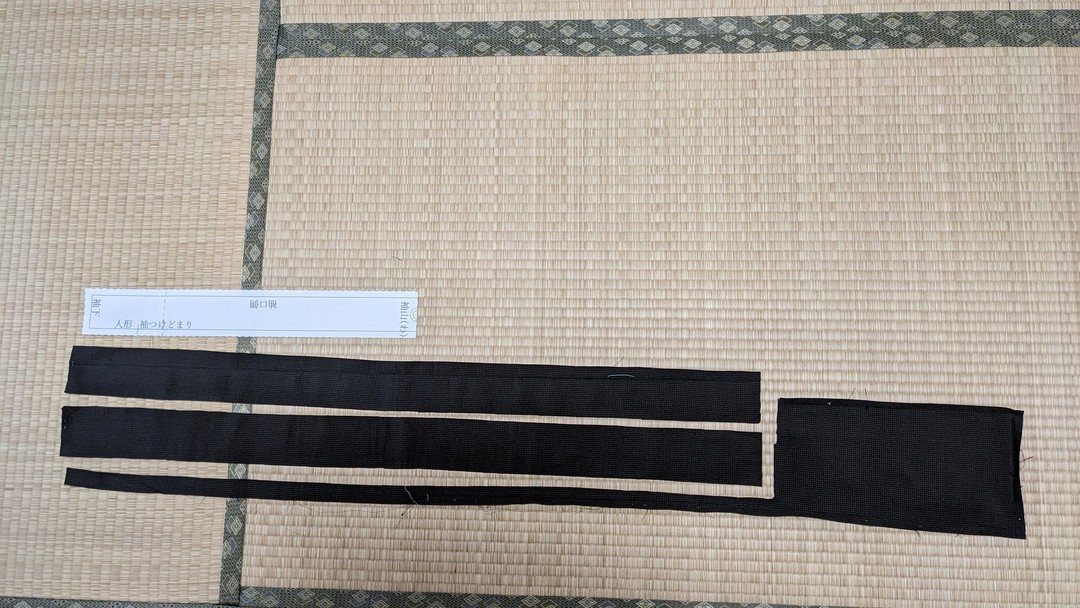
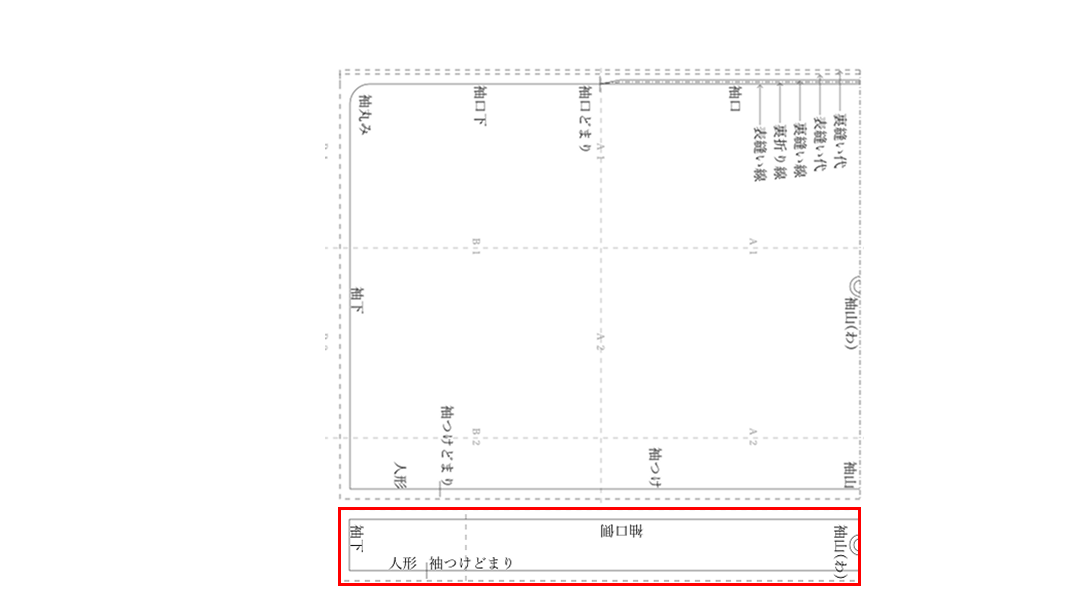
6. For the parts I cut off, I sew different fabric on instead.
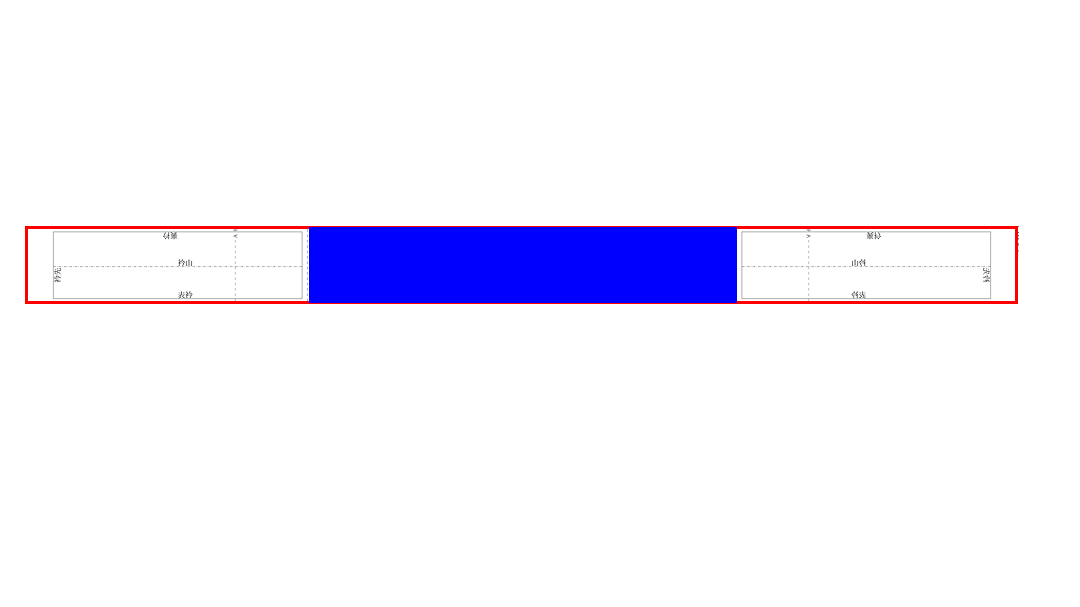
On the three-piece collar, I place different fabric in the middle.
I prepare different fabric of the same size,
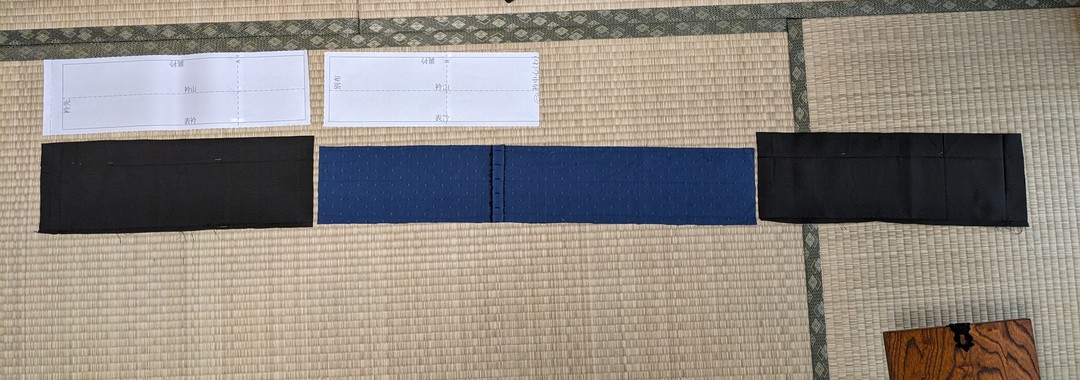
and sew it together with the sewing machine.
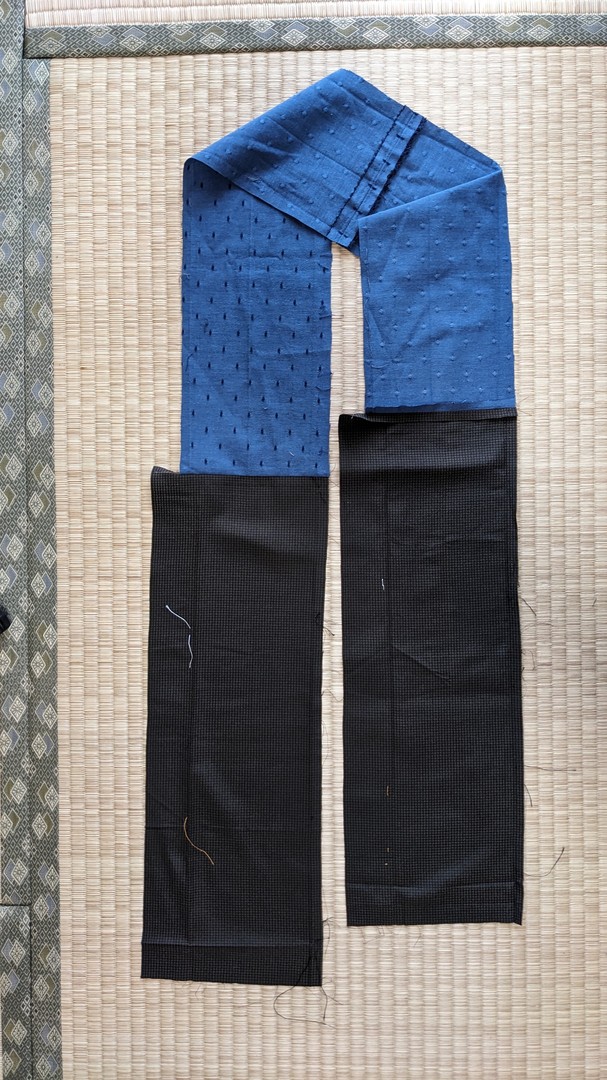
On the right okumi, I sew different fabric on at the bottom.
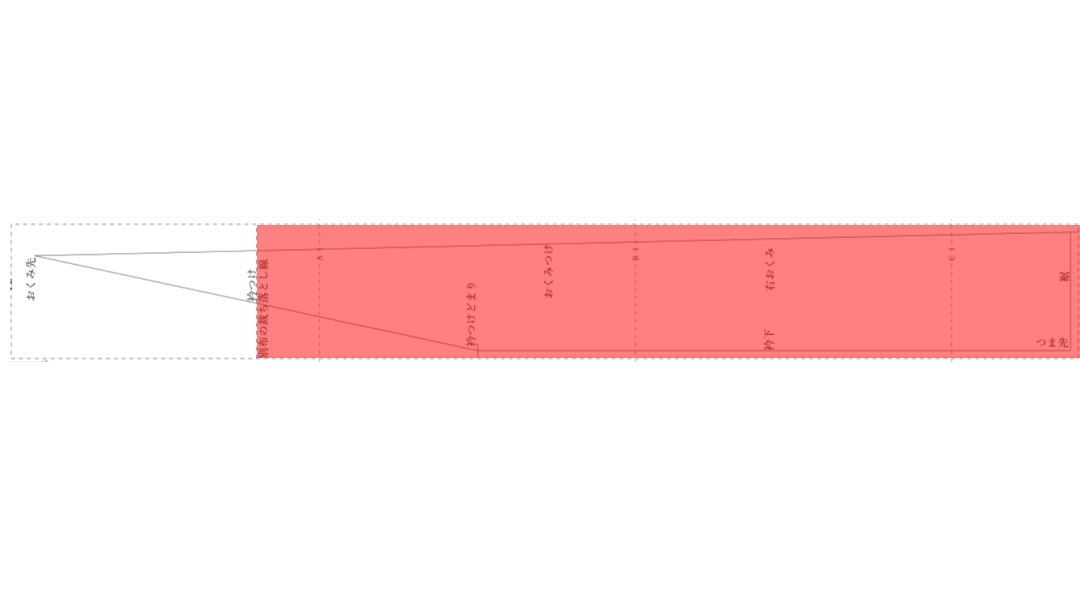
I prepare different fabric of the same size,
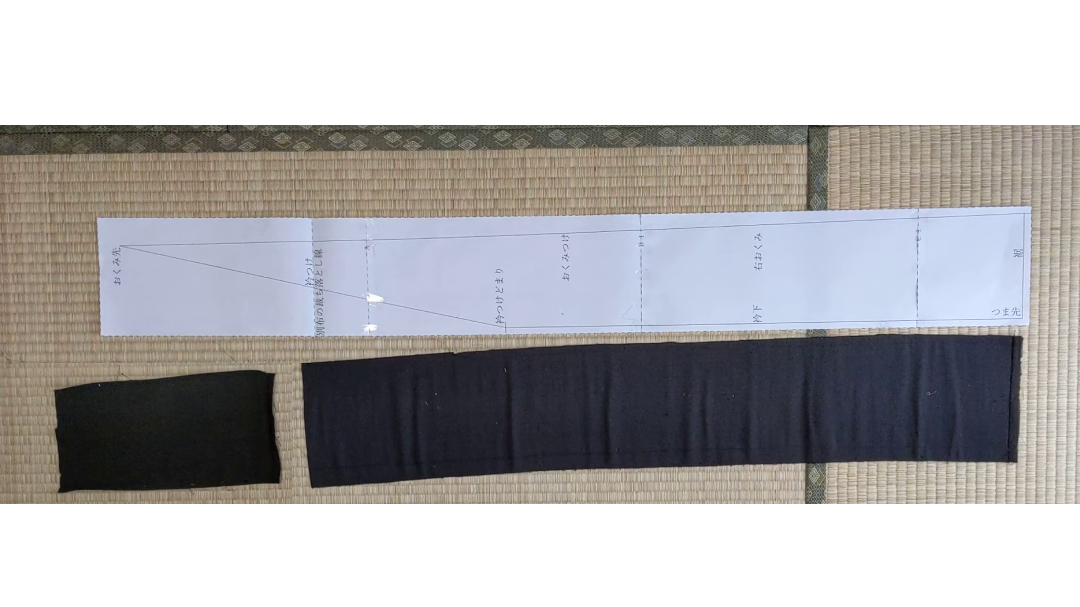
and sew it together with the sewing machine.
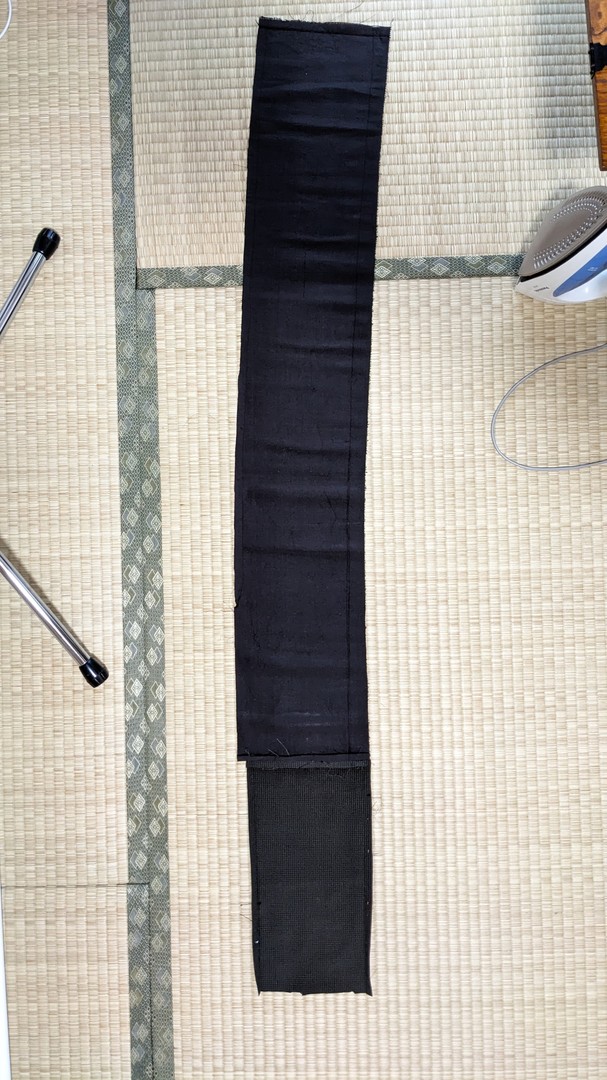
7. I sew the patch fabric onto the places where the measurements are
short.
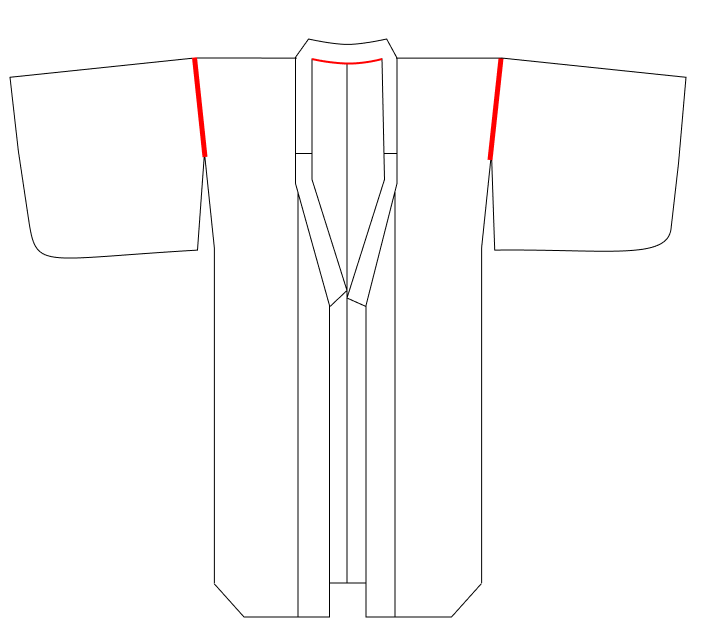
I layer the patch fabric on the sleeve's sodetsuke,
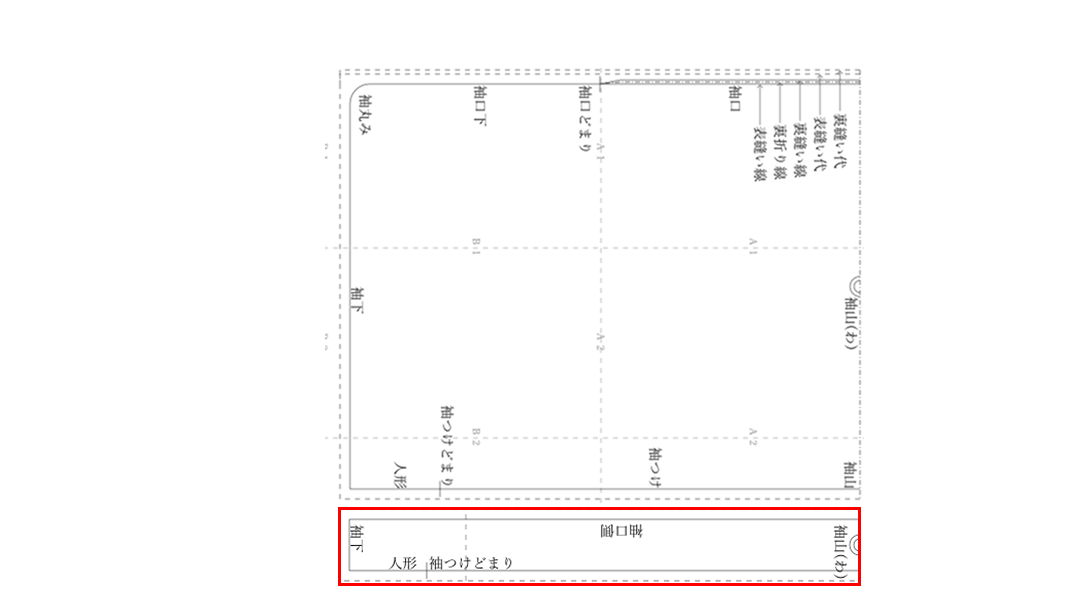
and sew it on with the sewing machine.
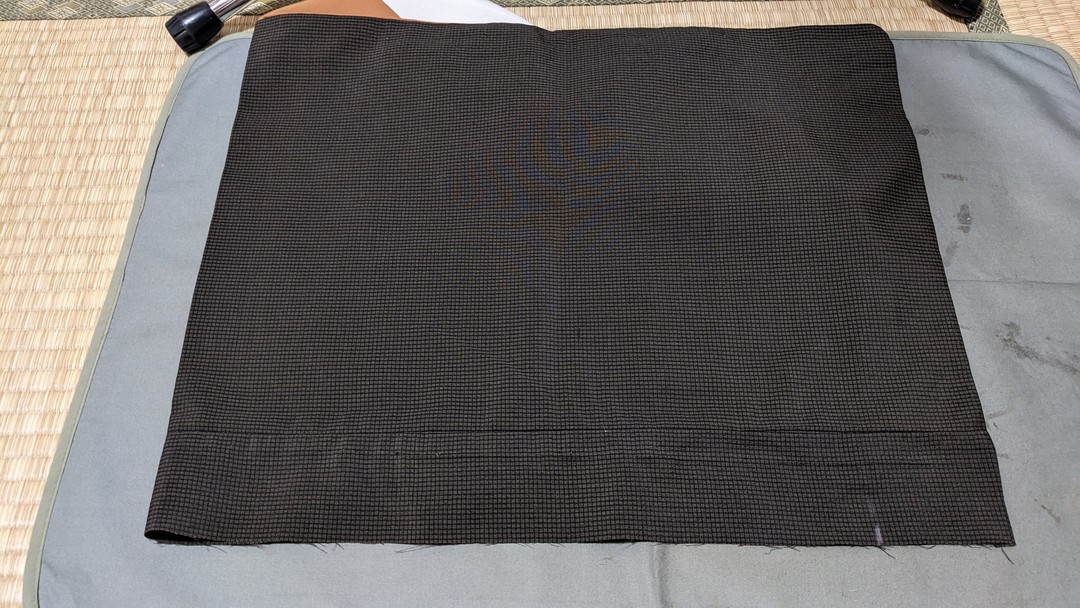
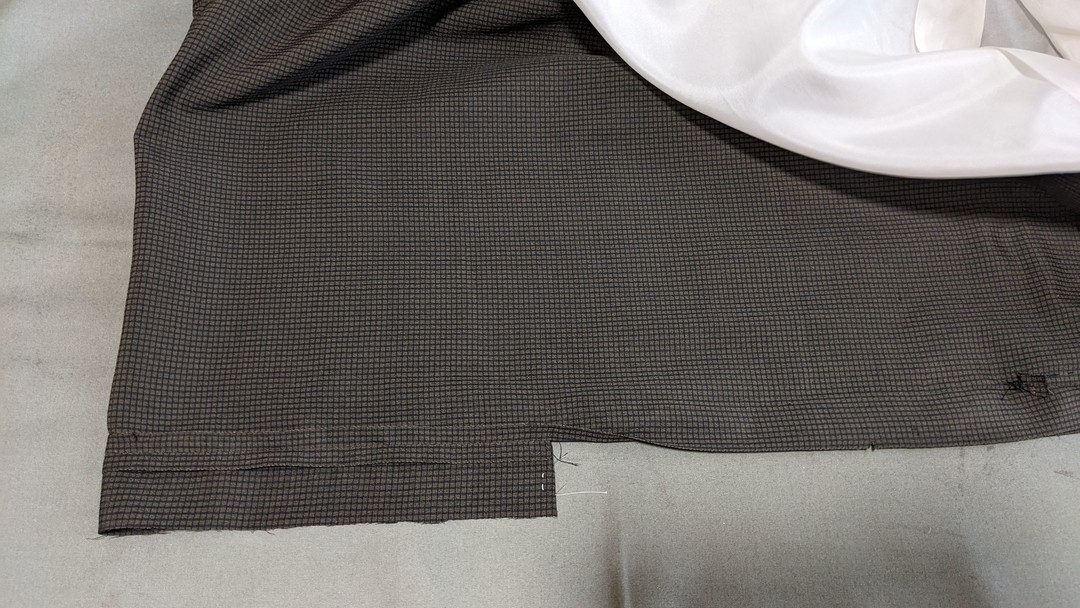
I layer the patch fabric on the body's sodetsuke,
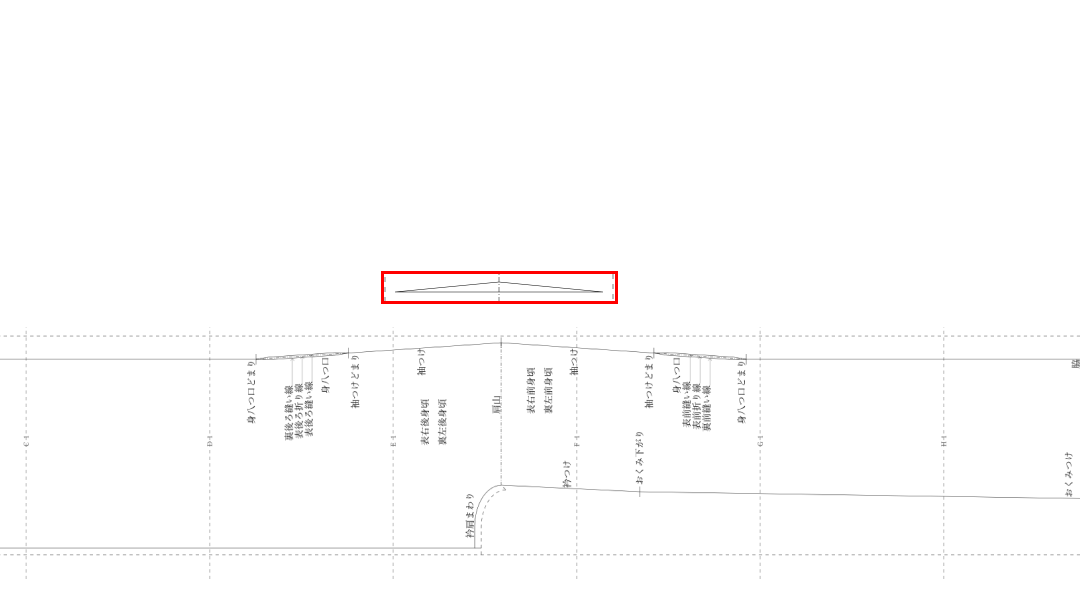
and sew it on with the sewing machine.
I layer the patch fabric on the body's collar-shoulder area,
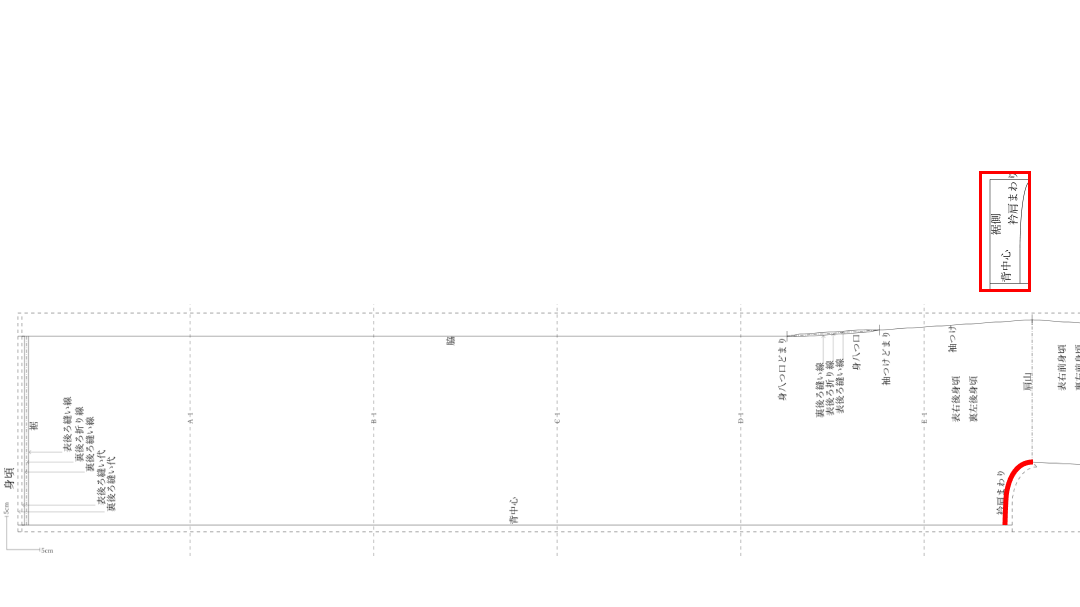
and sew it on with the sewing machine.
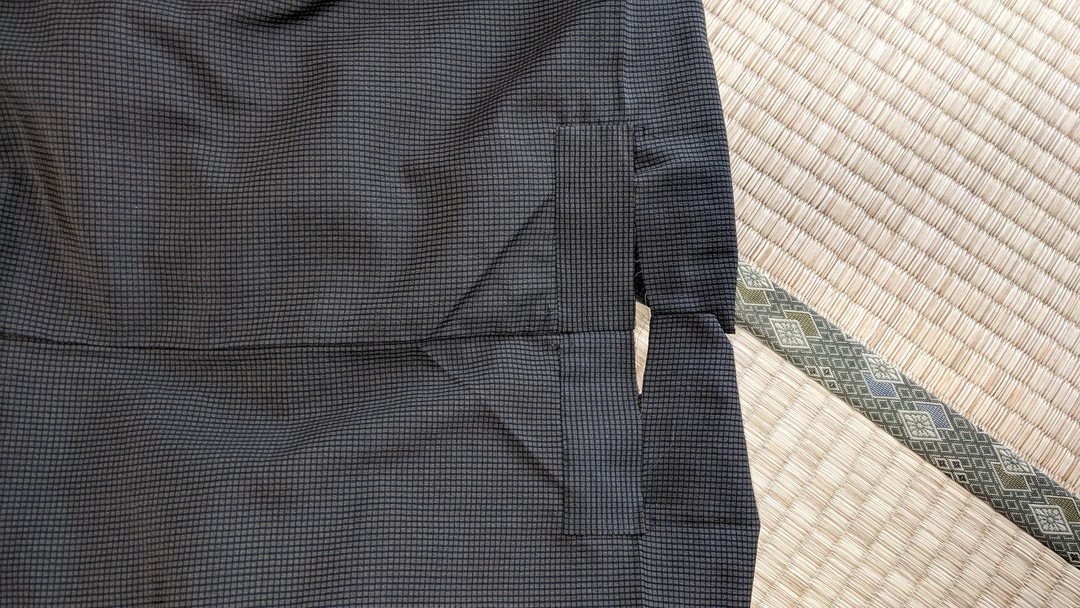
8. I resew all the unpicked parts.
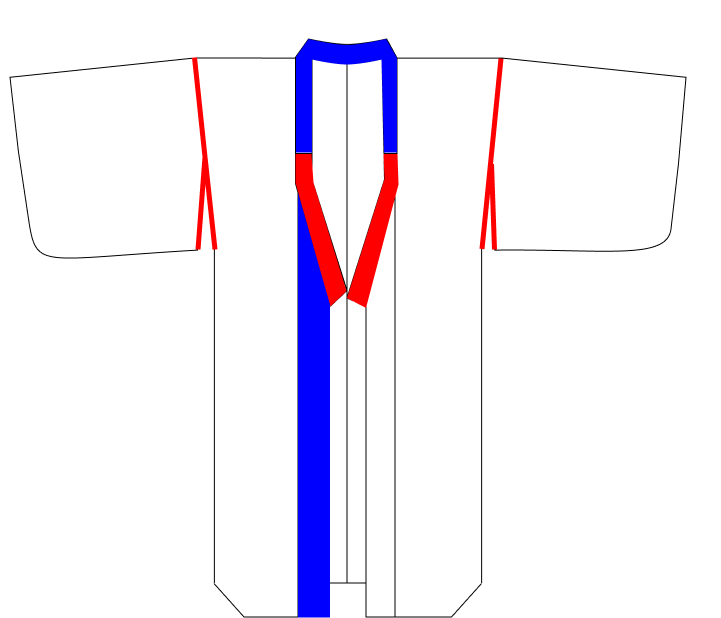
I layer the right okumi on the body,
and sew them together with the sewing machine.
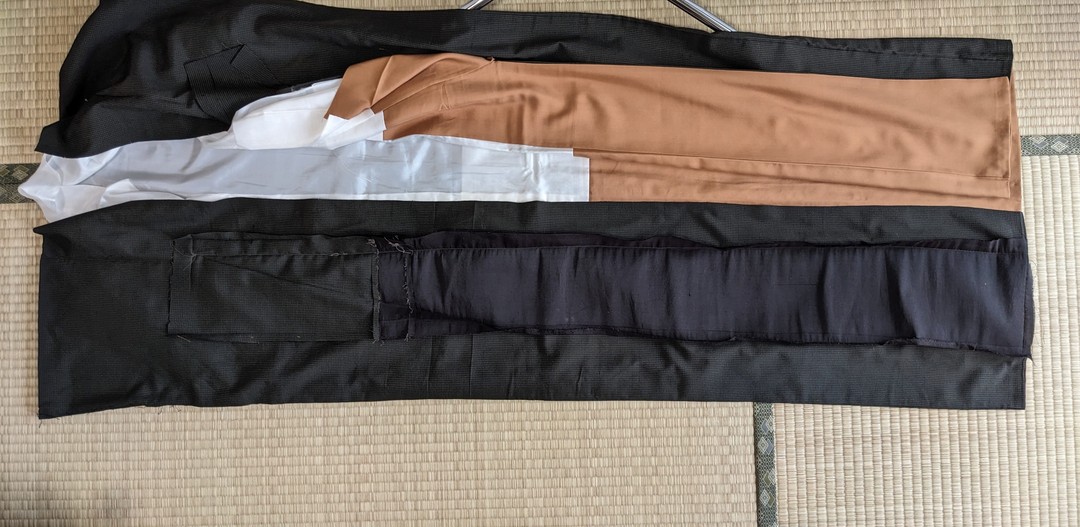
I layer the sleeve on the body,
and sew them together with the sewing machine.
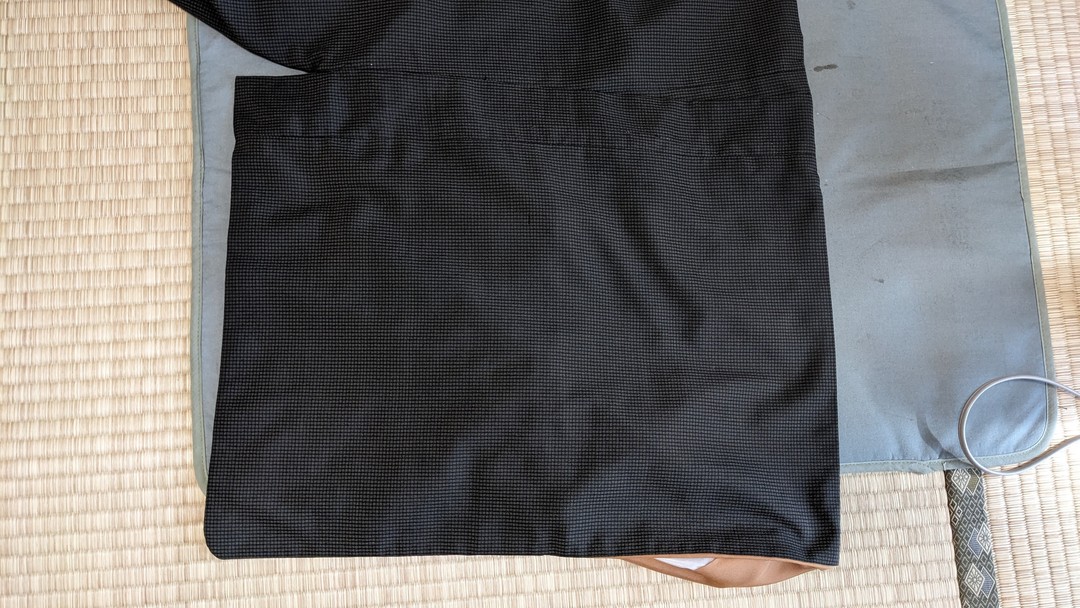
I layer the collar on the body,
and sew them together with the sewing machine.
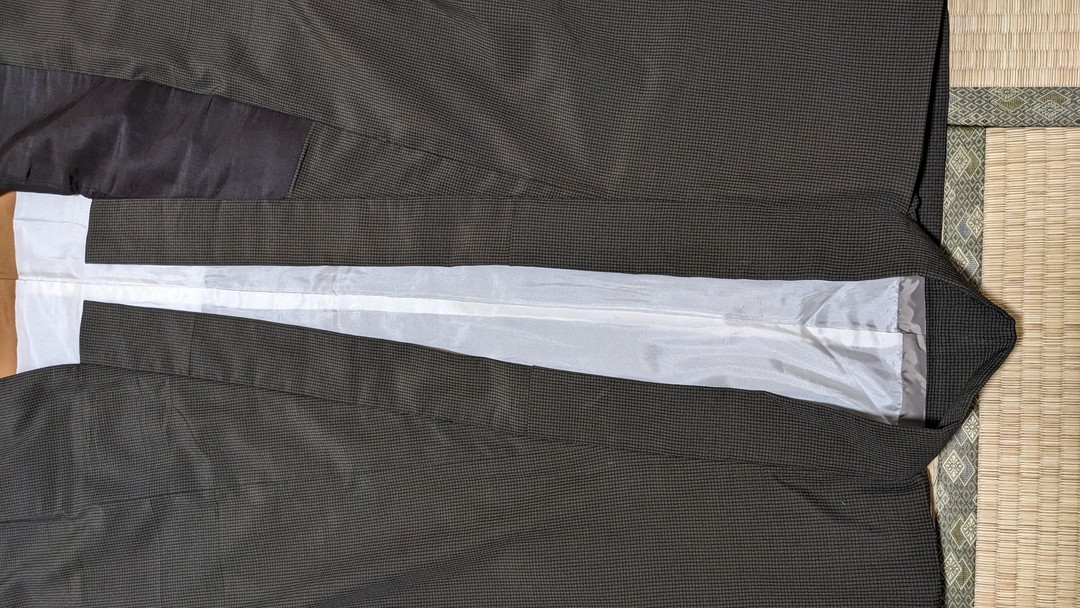
Finished
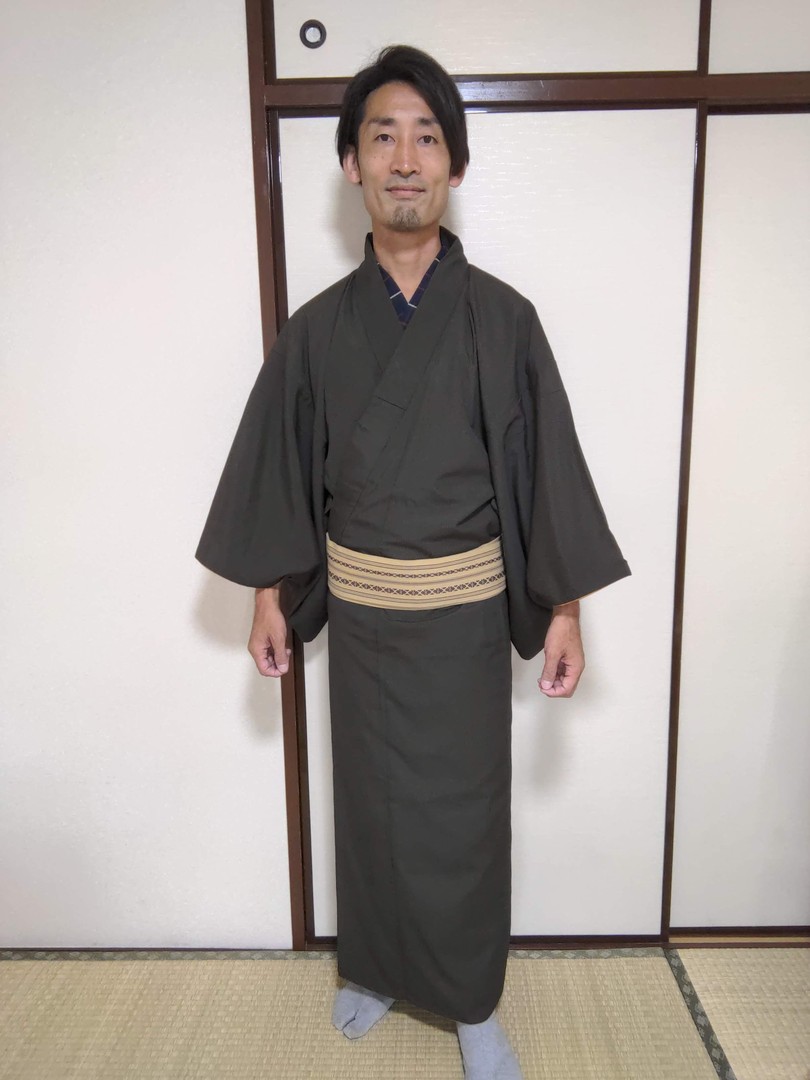
The web app “Alteration Guide” charges 980 yen only for downloading the
pattern PDF, but
all other features are free.
I enter the current measurements, and choose the desired gender and
size,
and the difference is calculated automatically.
With this, the places that should be altered are suggested
automatically,
where patch fabric is needed,
where to cut it from,
how much different fabric is needed to replace what was cut out,
are suggested individually.
Matching pattern types and measurements are also suggested.
From here, the actual steps are shown according to your situation.
Places to unpick also differ from person to person, so the program
judges them individually.
From here is how to make the patch fabric.
Alteration work differs by the combination of the source and the target,
so the work is different every time.
This program generates those different work steps each time.
With this, tacit knowledge that until now was passed on by word of mouth
becomes knowledge everyone can use,
and anyone can take a secondhand or given kimono,
alter it easily and cheaply, and wear it —
that is the world our shop aims for.