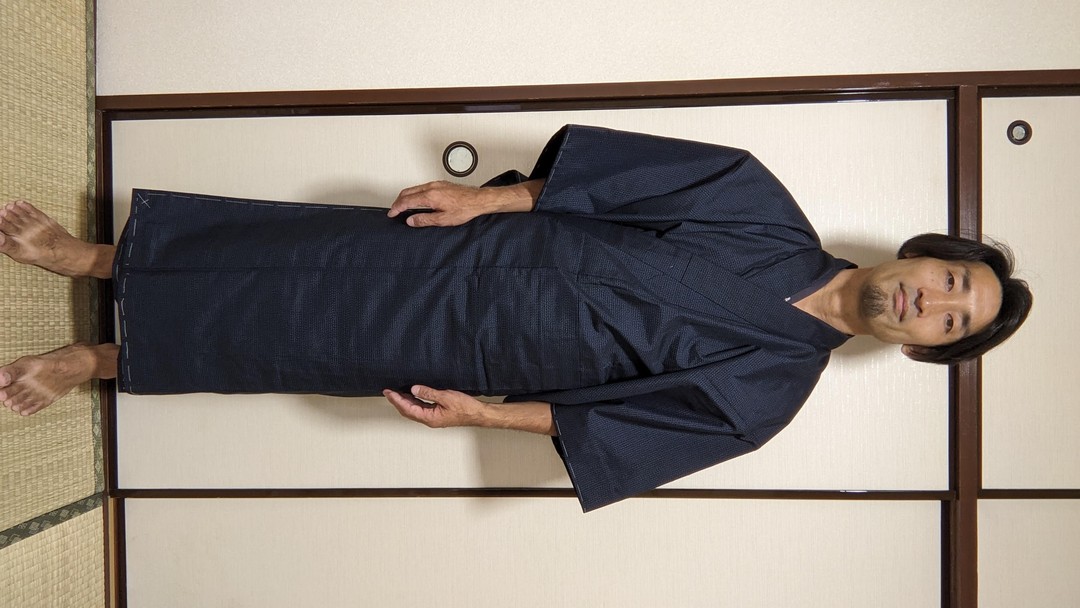
For altering used kimono that is too short,
I measure the age.
目次
1. Age looks like a simple fold from the outside,
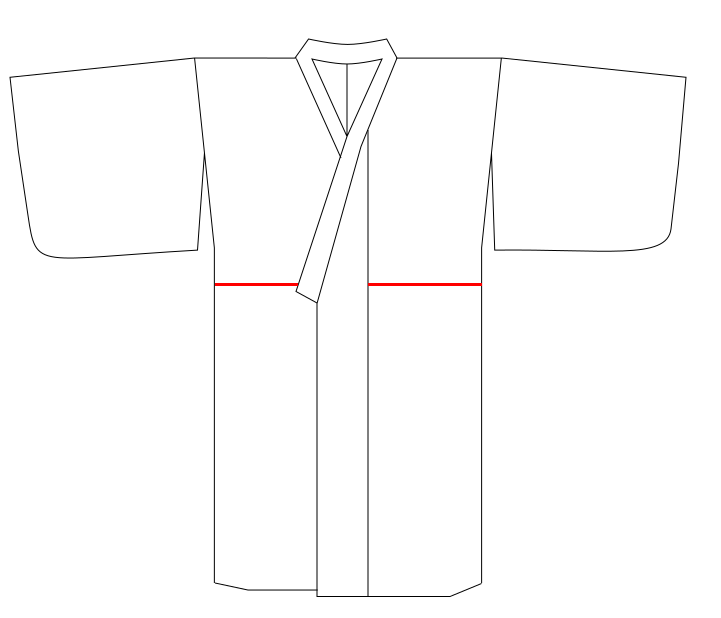
but on the inside it is folded so you can open it anytime.
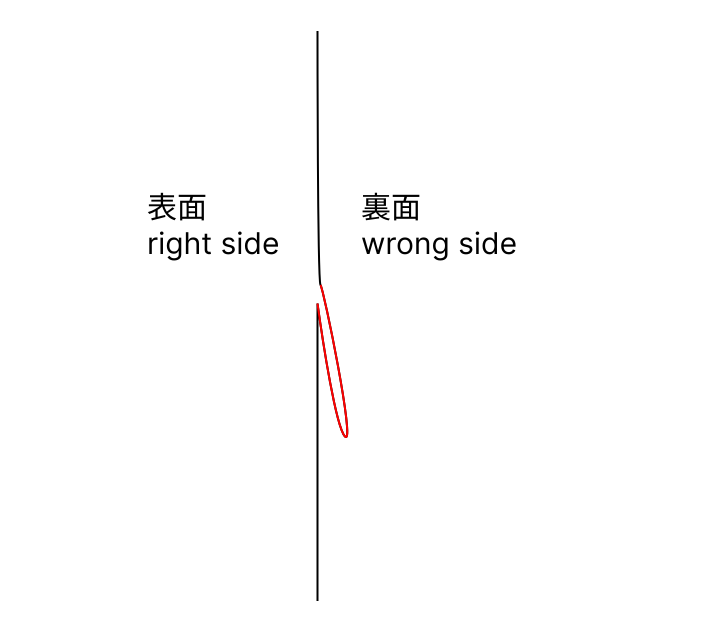
Seen up close, this is age.
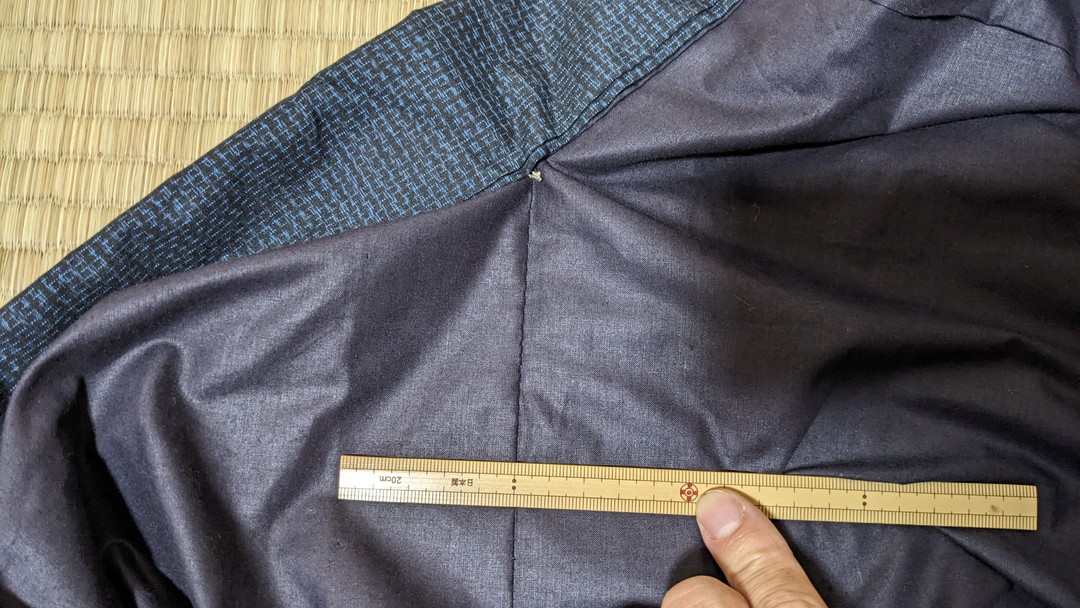
On women’s kimono, it is often at the front and back waist.
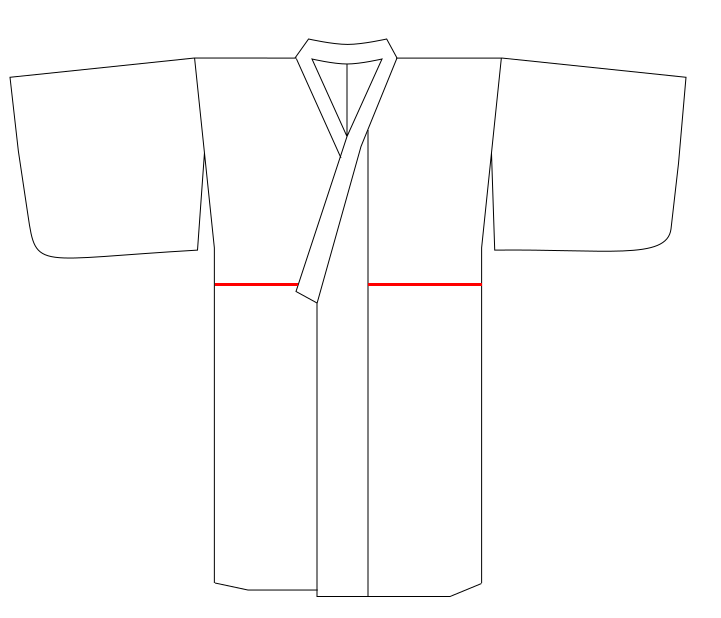
On men’s kimono, it is often at the front waist and shoulders.
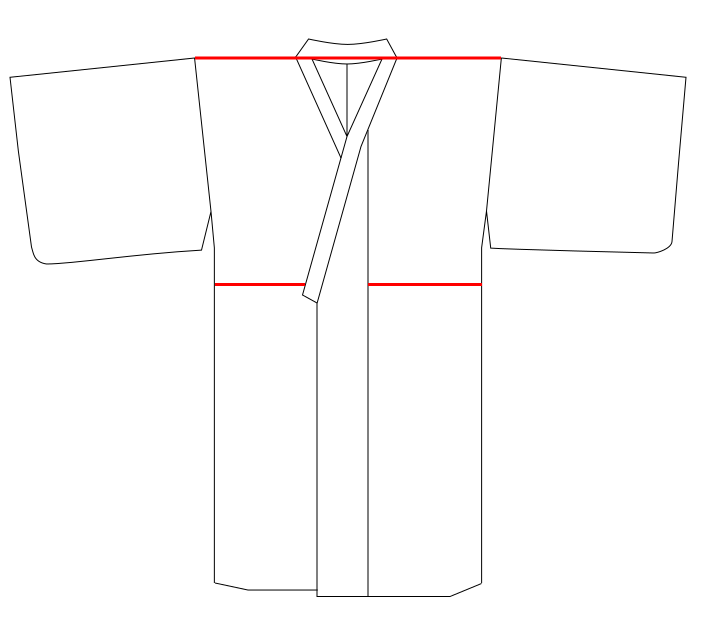
2. I measure the waist age.
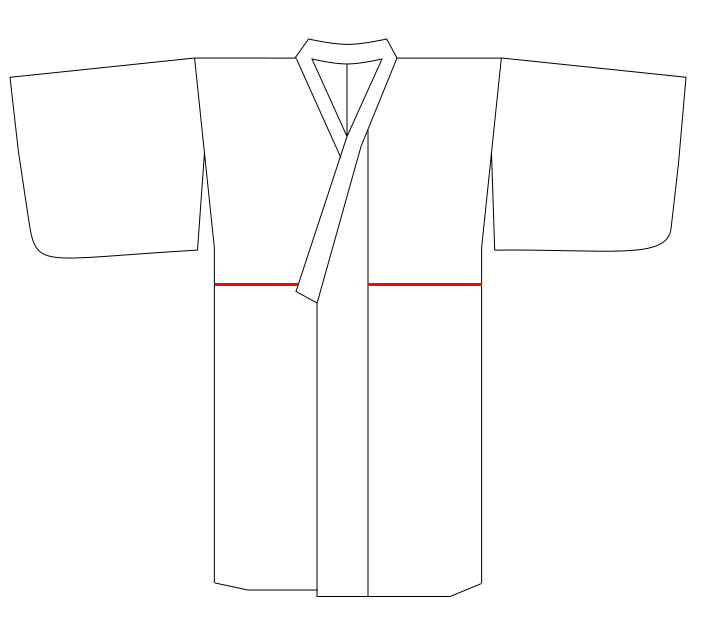
For awase (lined), I measure the waist age from the outside.
I place a ruler from the age toward the hem.
Touching from the outside, I can measure it by the step.
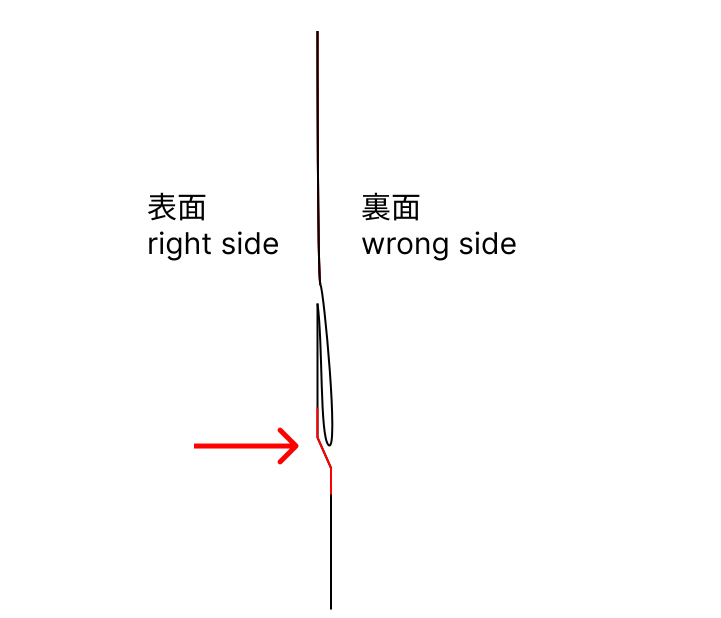
This time I found it is 7 cm.
For hitoe (unlined), I measure from the wrong side.
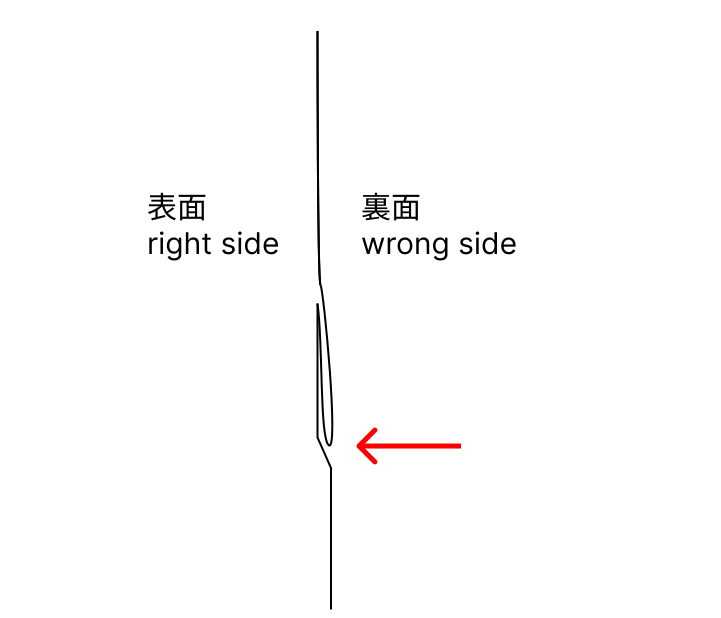
From the wrong side I can see the seam and the fold.
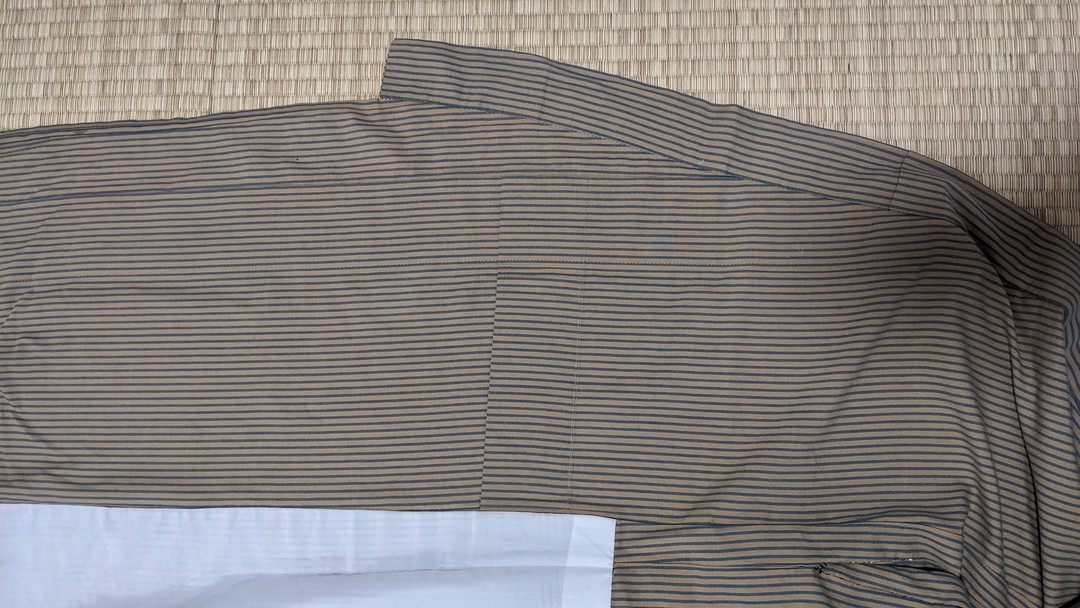
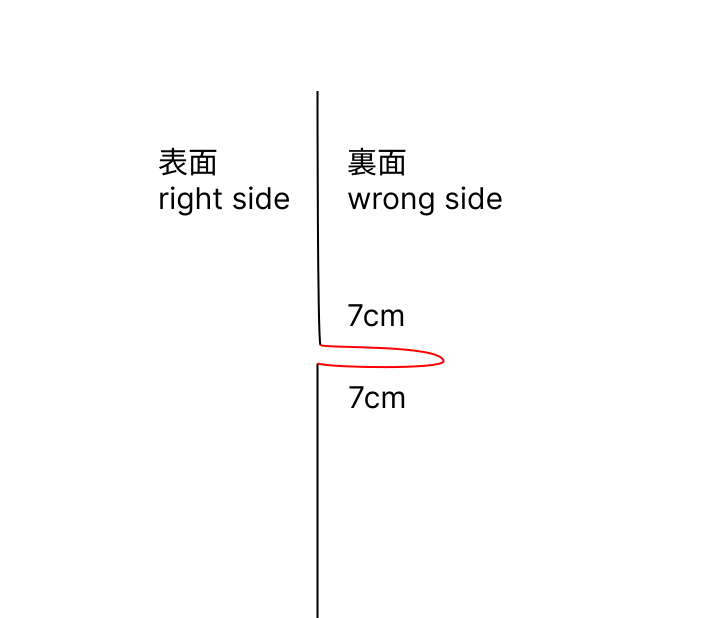
I place a ruler and measure from the seam to the fold.
This was also about 7 cm.
If the age is 7 cm, I can lengthen the mitake by 14 cm in total.
I calculate how much I can actually lengthen.
Measuring the mitake, it is 140 cm.
140 + 14 (age) = 154, so
for a women’s kimono it fits up to 154 cm height.
For men’s, mitake + 26 = suitable height, so
it fits up to 180 cm height.
3. How to measure shoulder age
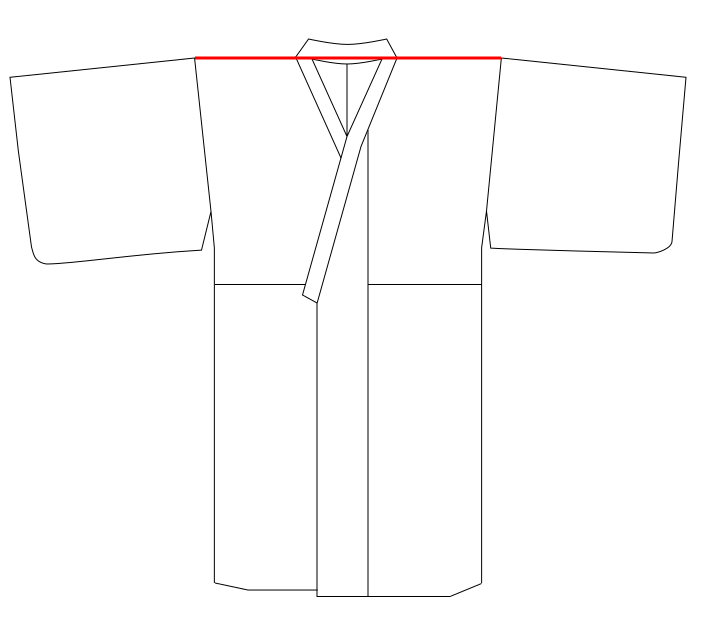
In men’s lining, there is often age at the shoulders.
You can see it when you spread out the lining.
When I turn back the collar and look inside the shoulder point, I see
the seam.
Inside the shoulder, seam allowances are folded toward front and back.
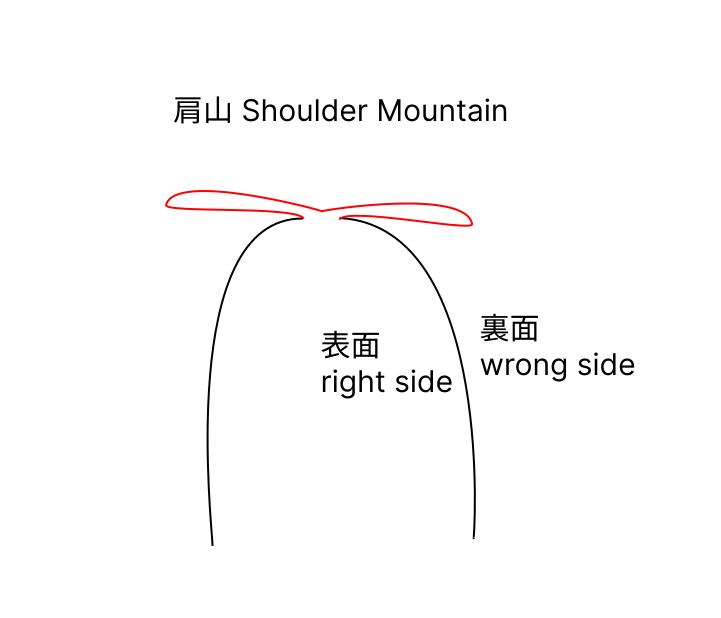
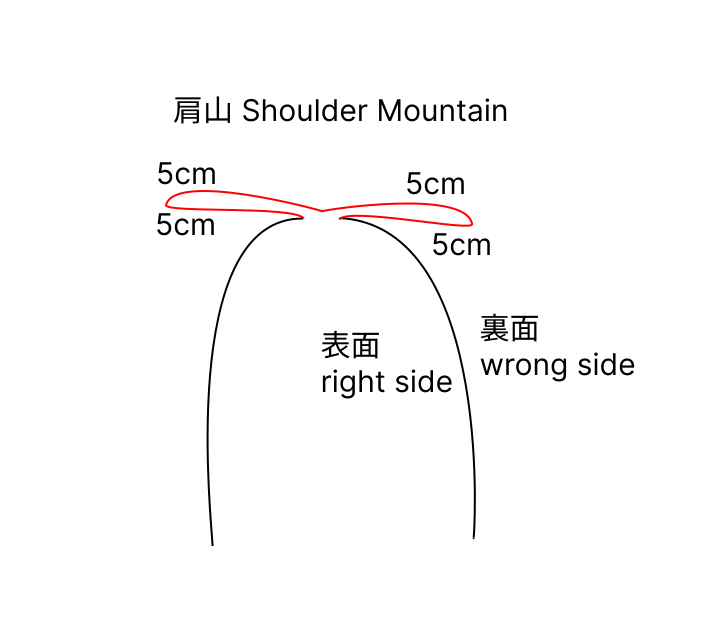
I place a ruler on the shoulder seam of the lining,
and I can feel the thickness and step in front and behind.
The front age is 5 cm.
I measure the back too.
The back was also 5 cm.
With 5 cm age on each side, I can lengthen the mitake by up to 10 cm in
the lining.
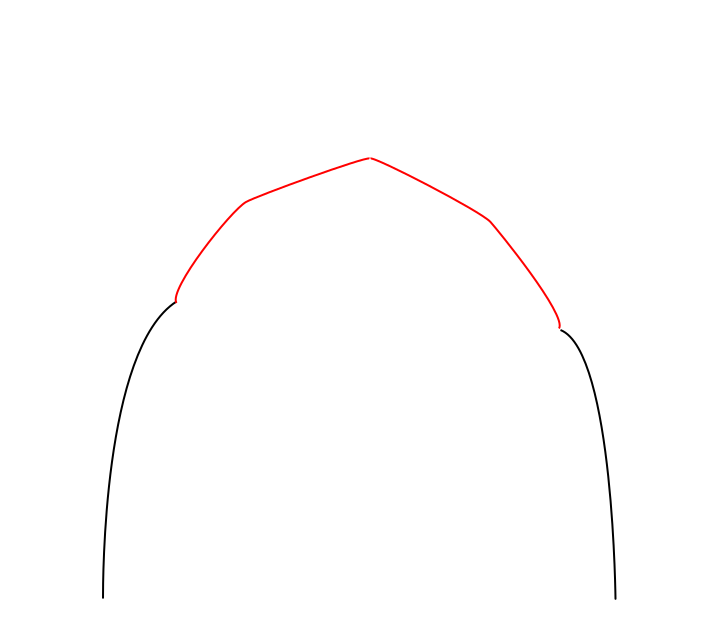
When I open the age it looks like this,
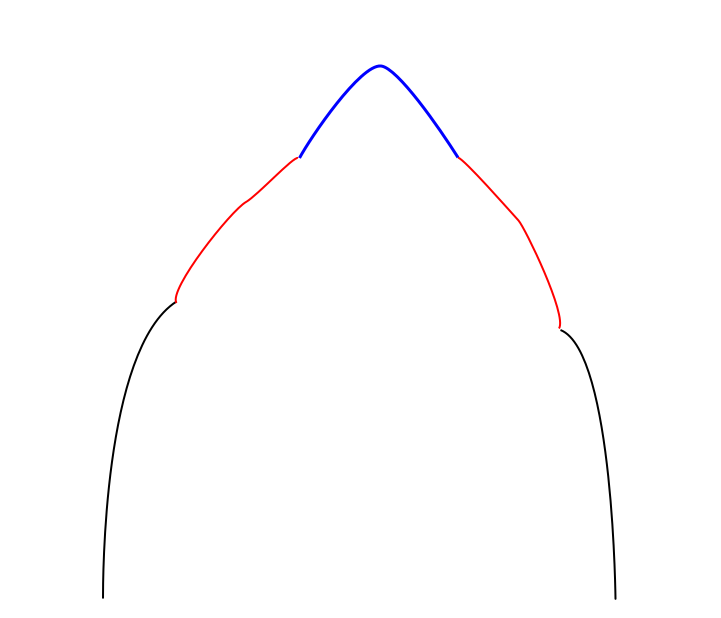
and if I need more mitake, I can also add patch fabric.
4. I measure the sewn-in seam allowance of the douura and hakata.
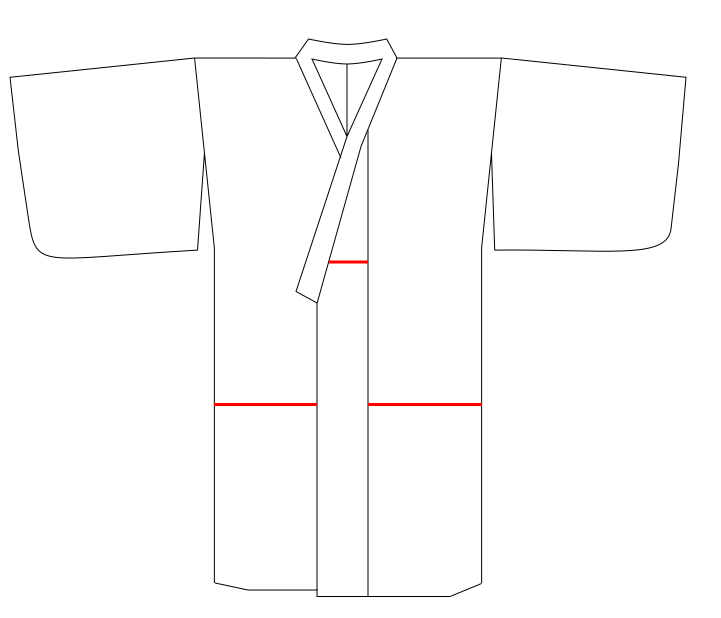
Women’s lining is often split into douura and susomawashi.
Often extra seam allowance is left between them.
The seam allowance is folded upward.
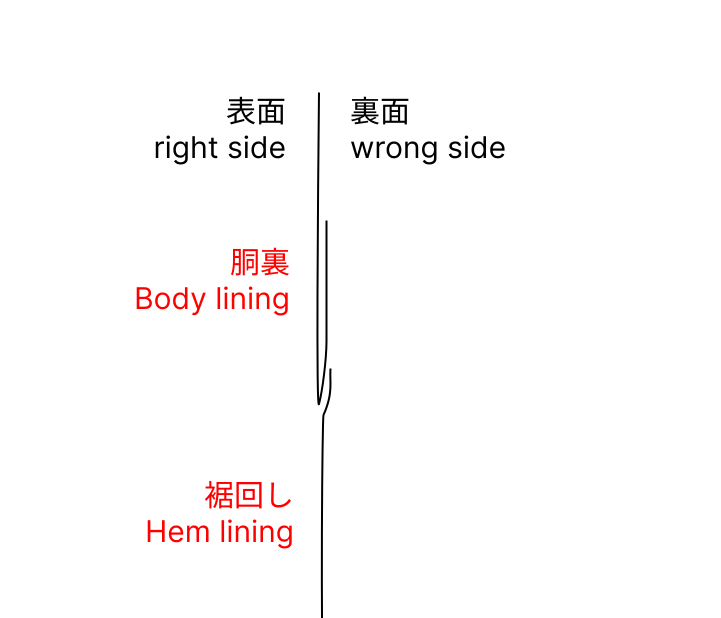
The douura allowance is long; the susomawashi allowance is short.
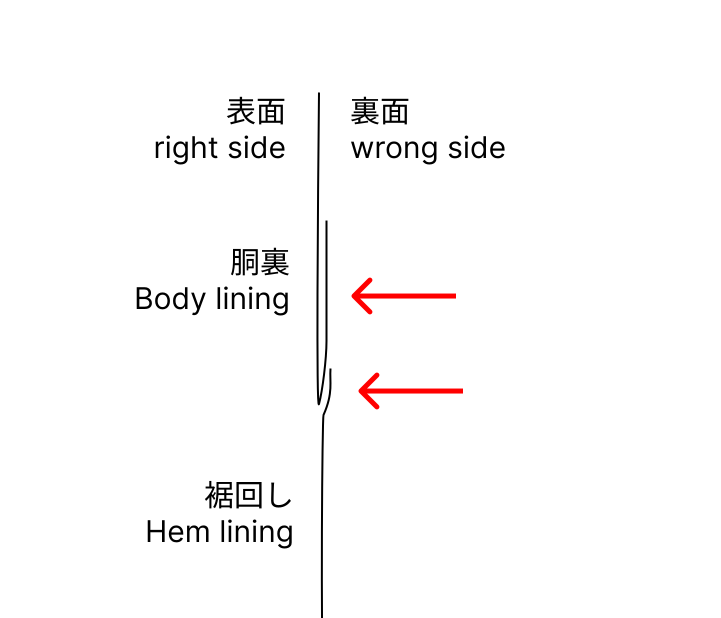
If it is too thin to feel, I check by looking if it shows through.
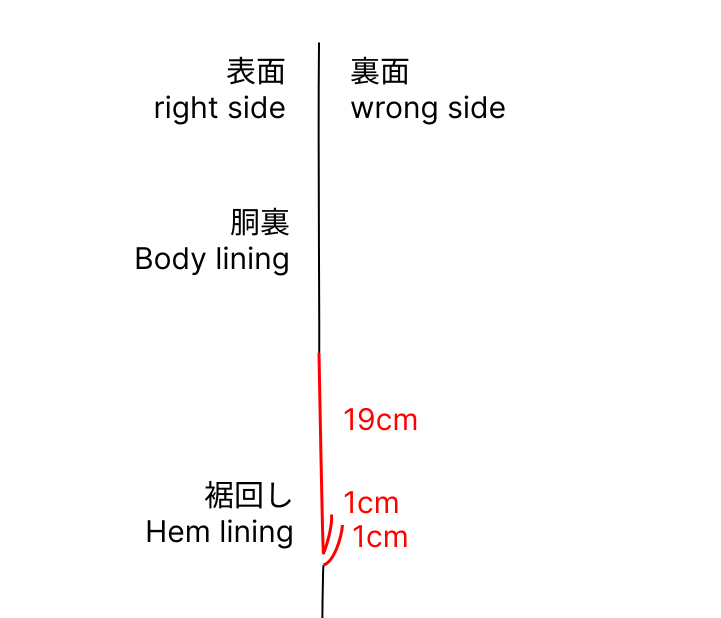
This time on the migoro I found susomawashi 1 cm and douura 20 cm.
If the allowances are 20 cm and 1 cm, when I release all the sewn-in
allowance,
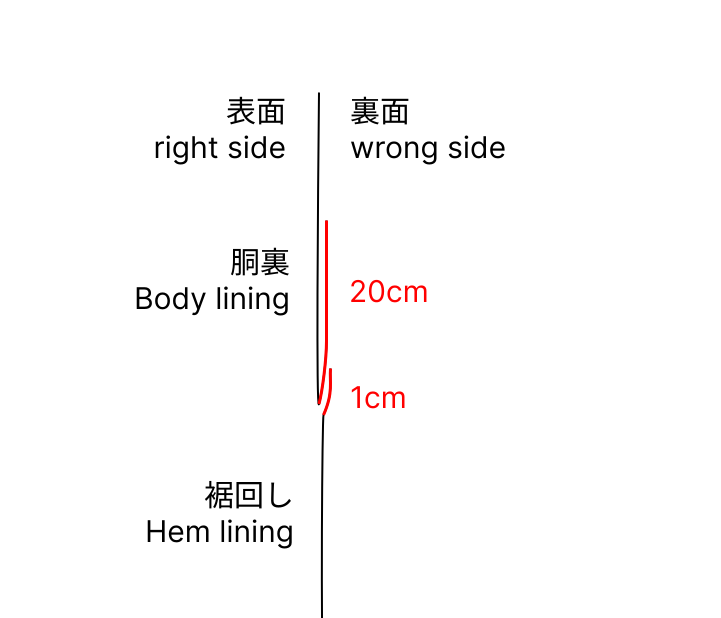
I keep 1 cm as seam allowance, so I gain 19 cm.
Next I measure the okumi.
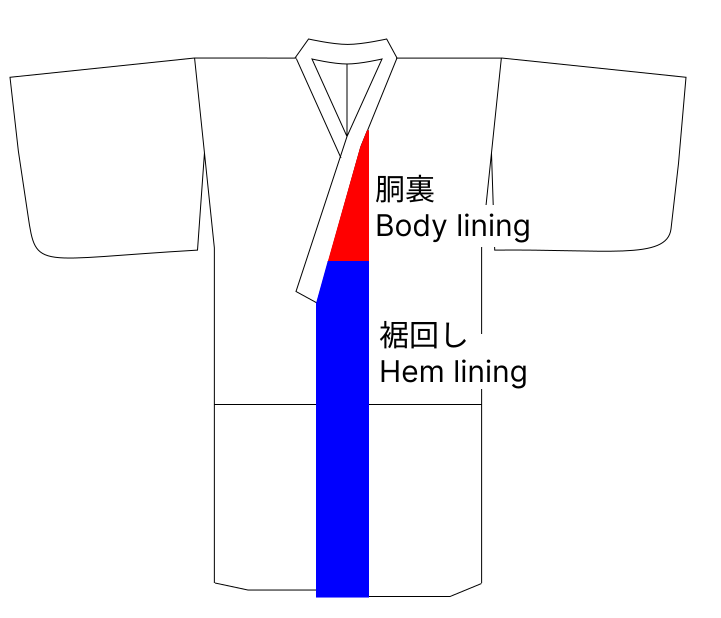
The susomawashi allowance is 1 cm,
but the douura sewn-in part is hidden under the collar.
I expect about the same as on the migoro.
That completes measuring age and sewn-in allowance.
In the videos I upload each step separately,
but in the alteration guide, depending on each alteration,
I reorder the steps for you alone.
The alteration process, which differed
depending on what you want to fix and the original kimono,
I document and turn into software.
Because there are many steps to cover in every direction,
some parts are not filled in yet,
but I will keep filling in every frame without giving up.
so please try it a little.