目次
1. Press from the wrong side of the unpicked sleeve attachment to remove
creases.
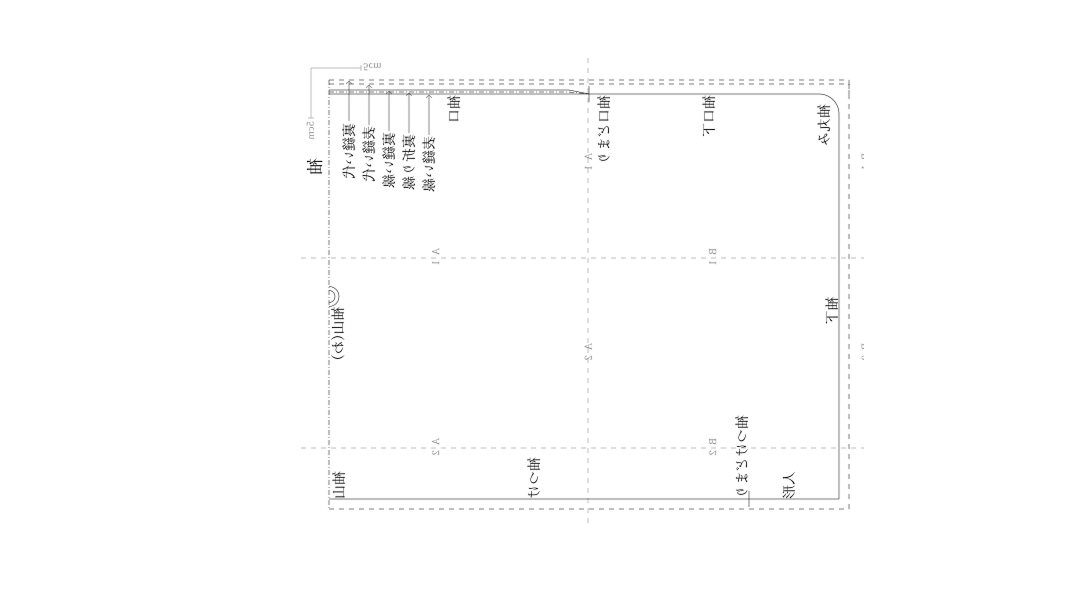
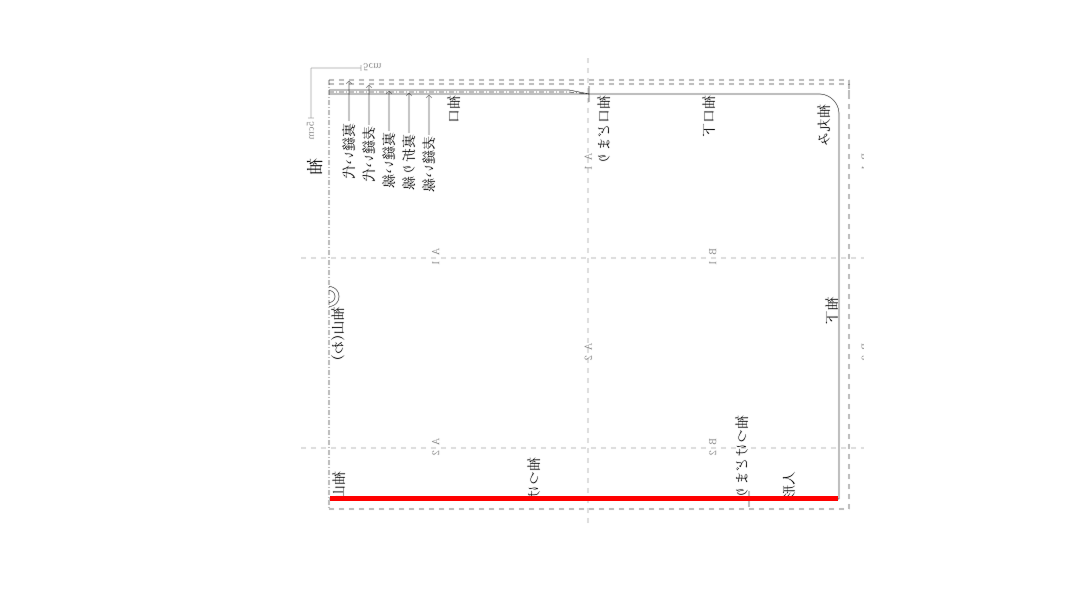
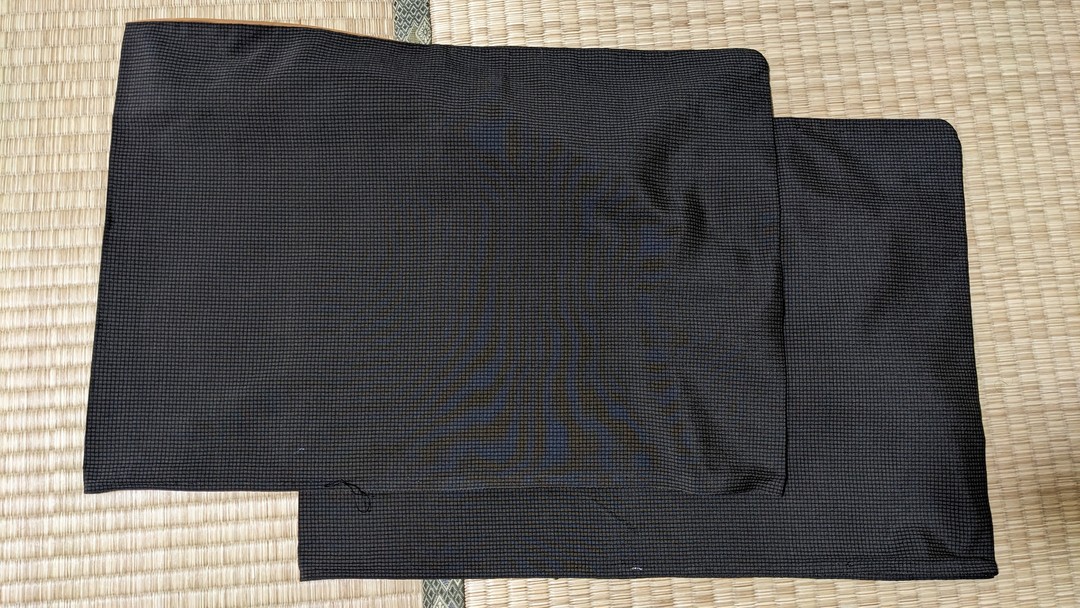
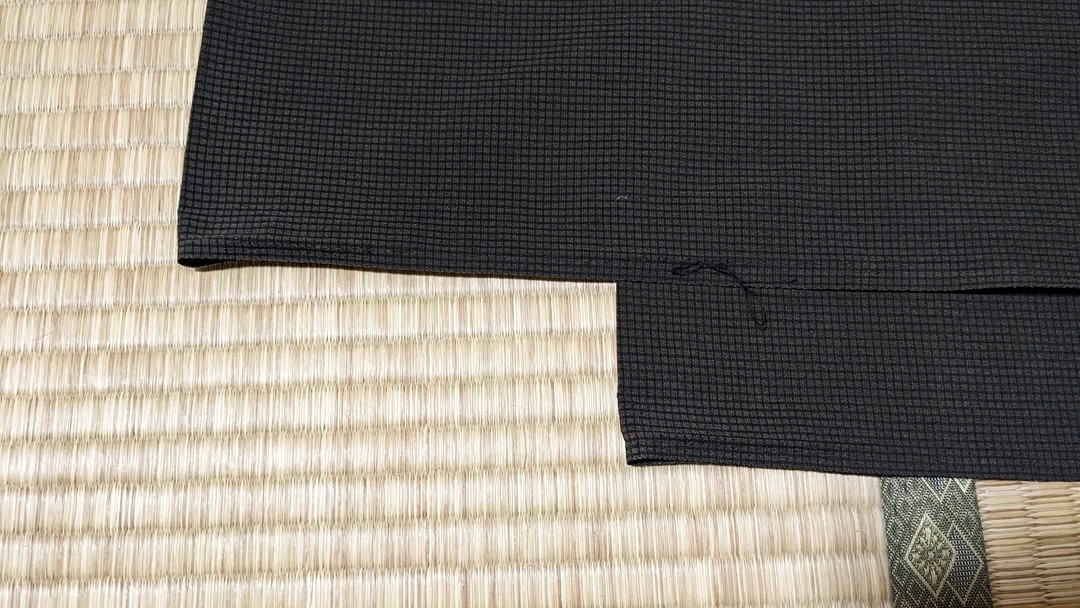
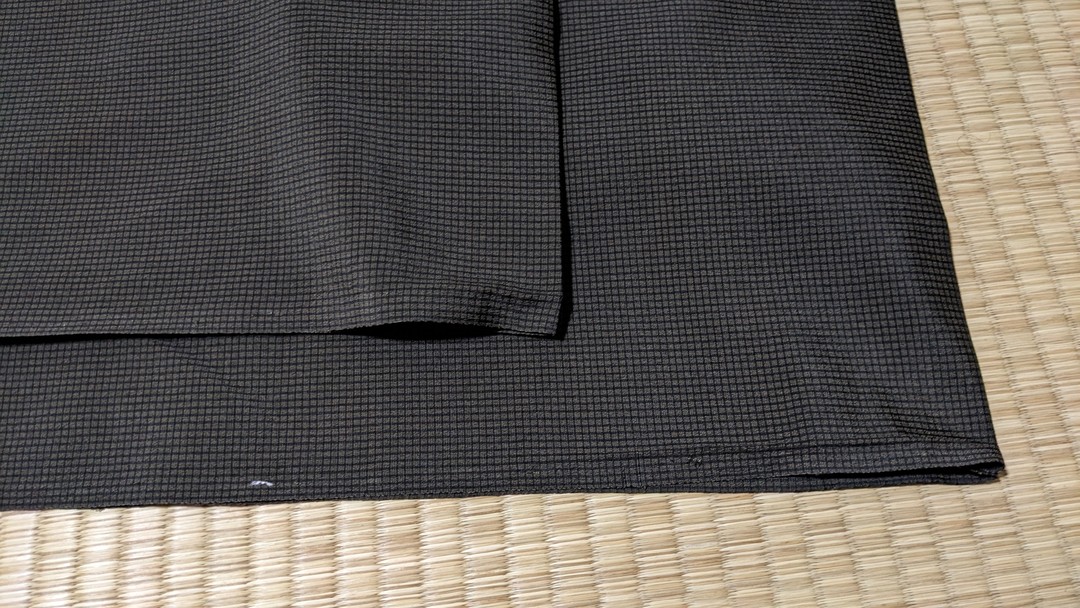
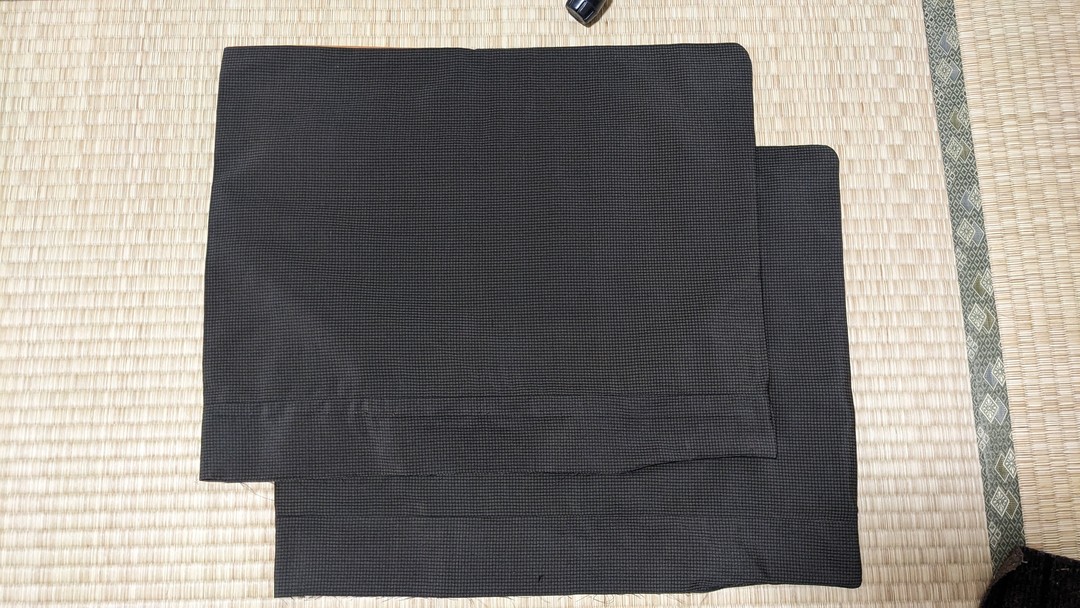
2. Apply the patch fabric.
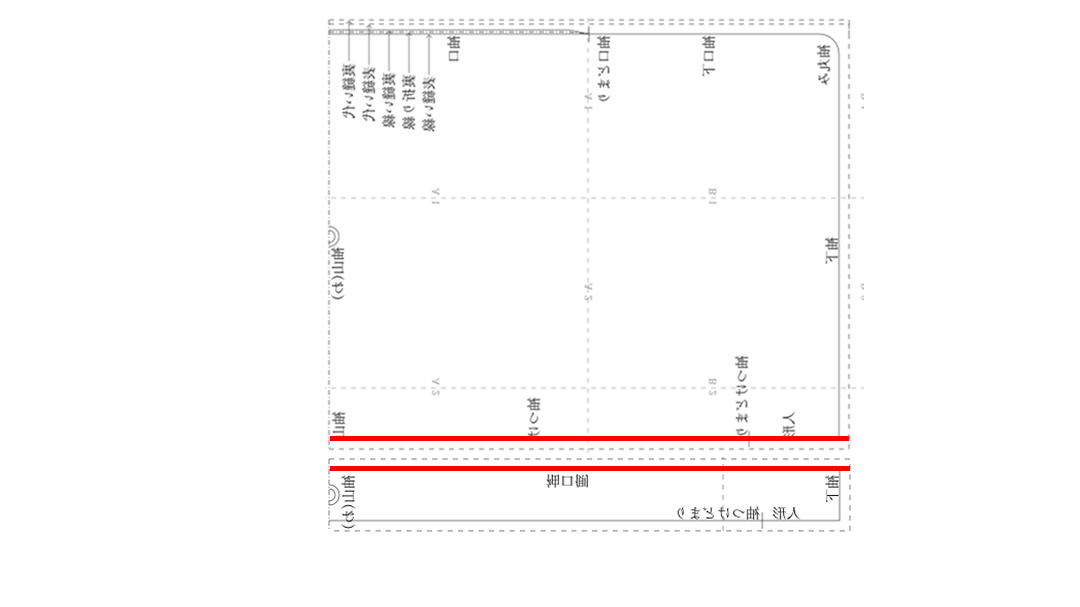
Align the sleeve bottom, pinch, check the sleeve line position, and
secure with clips.
Similarly, fold the patch fabric with the outer side out, align the
sleeve bottom,
pinch, check the sleeve line position, and secure with clips.
Overlap the sleeve lines with fabric edges aligned, and secure with
clips.
With outer sides together, layer the patch fabric over the entire sleeve
attachment, and secure with clips.
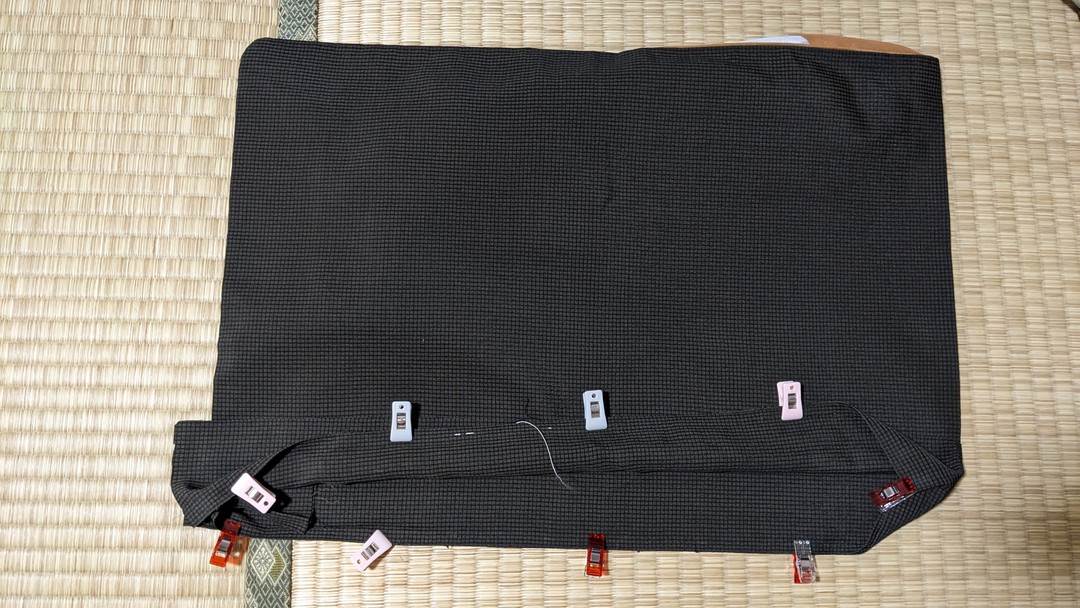
If the sleeve bottom seam allowance has stitching within 1 cm of the
fabric edge, cut the threads with a seam ripper.
Secure the seam allowances with clips as well.
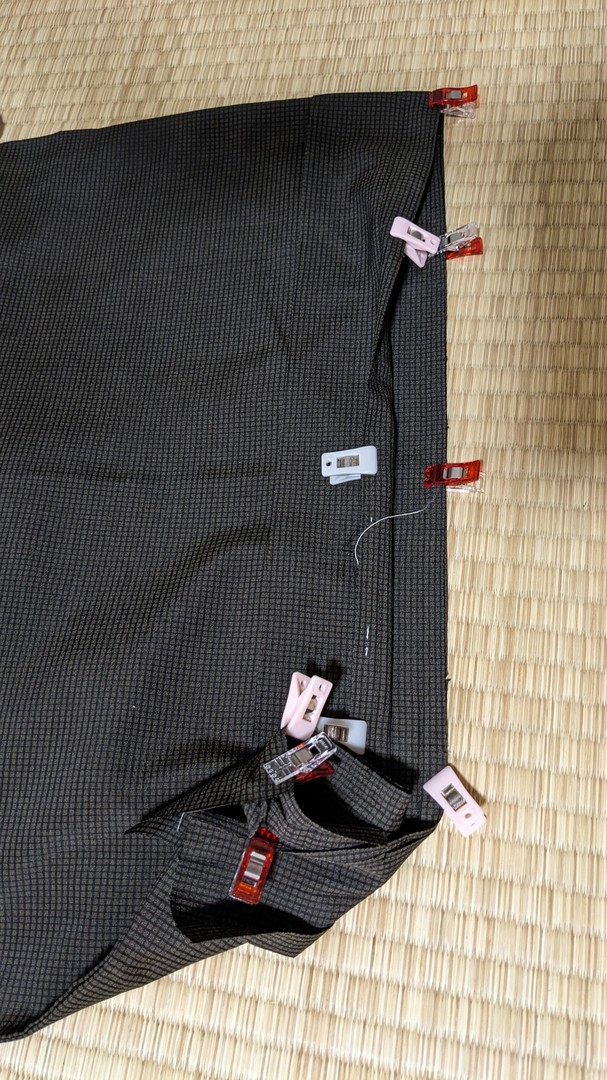
3. Sew the sleeve attachment and patch fabric together with a straight
machine stitch 1 cm from the fabric edge.
Stitch length is 5 mm. The presser foot makes it easy to measure 1 cm
from the fabric edge.
Sew the seam allowances together as well.
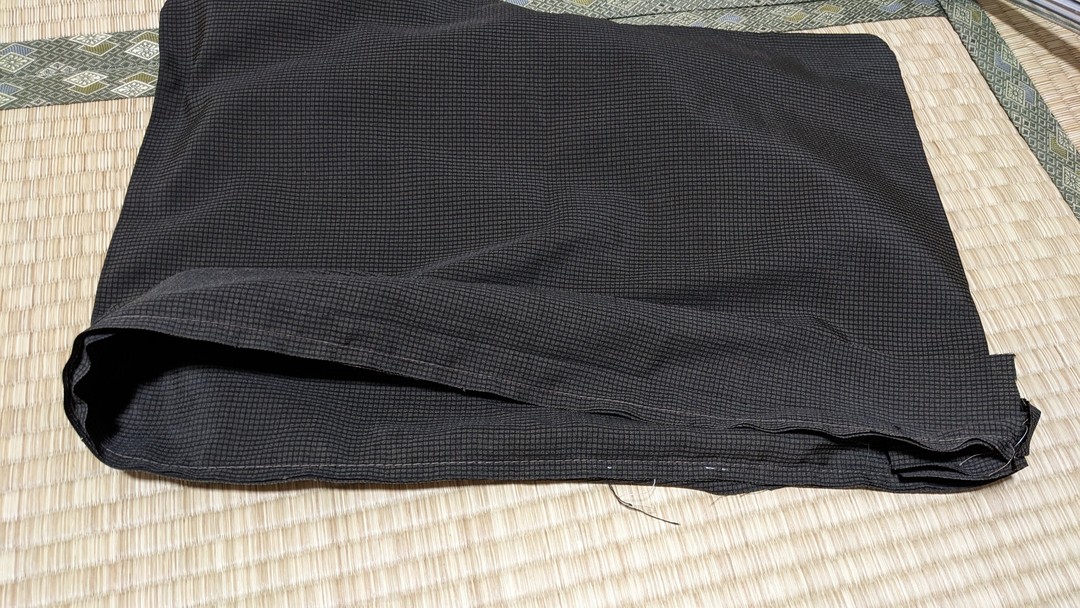
When finished sewing, pull the threads to secure.
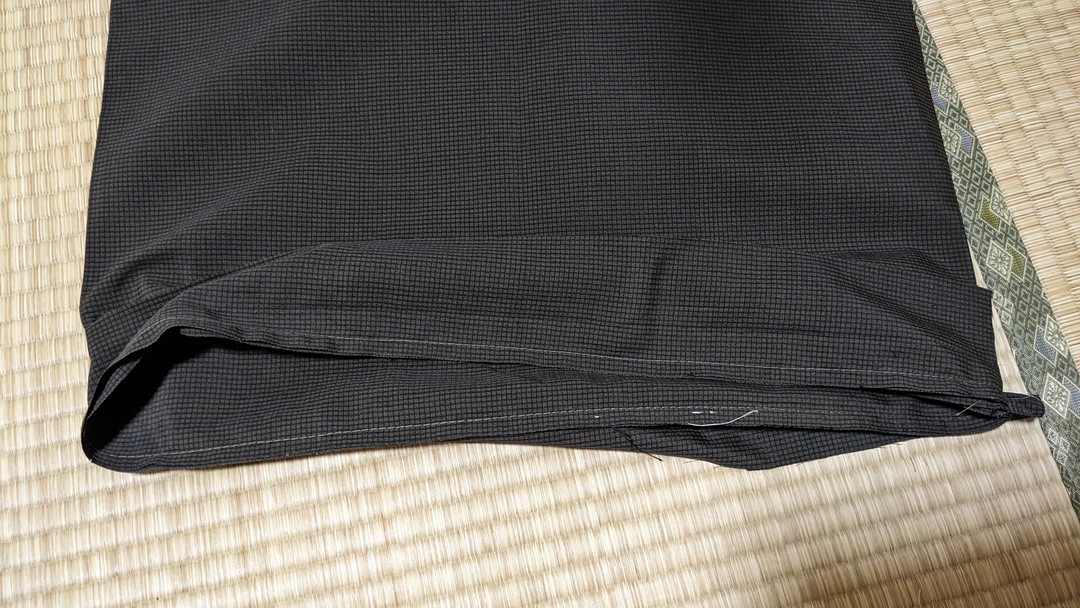
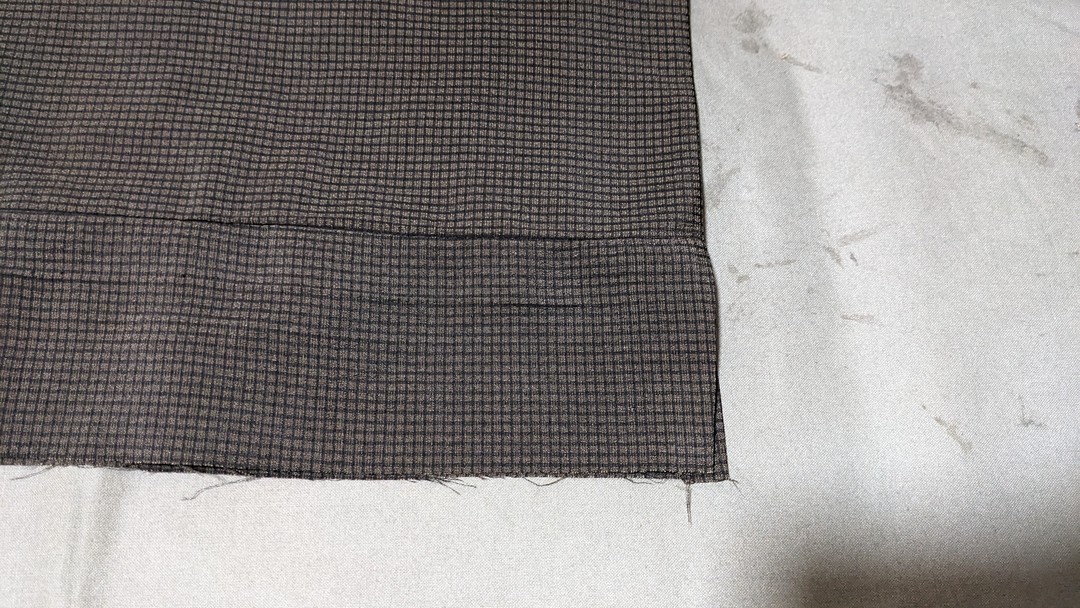
4. Press open the seam allowances at the sewn area.
Fold the patch fabric sleeve bottom to match the existing sleeve bottom
height,
cover with a spare piece of fabric, and press creases.
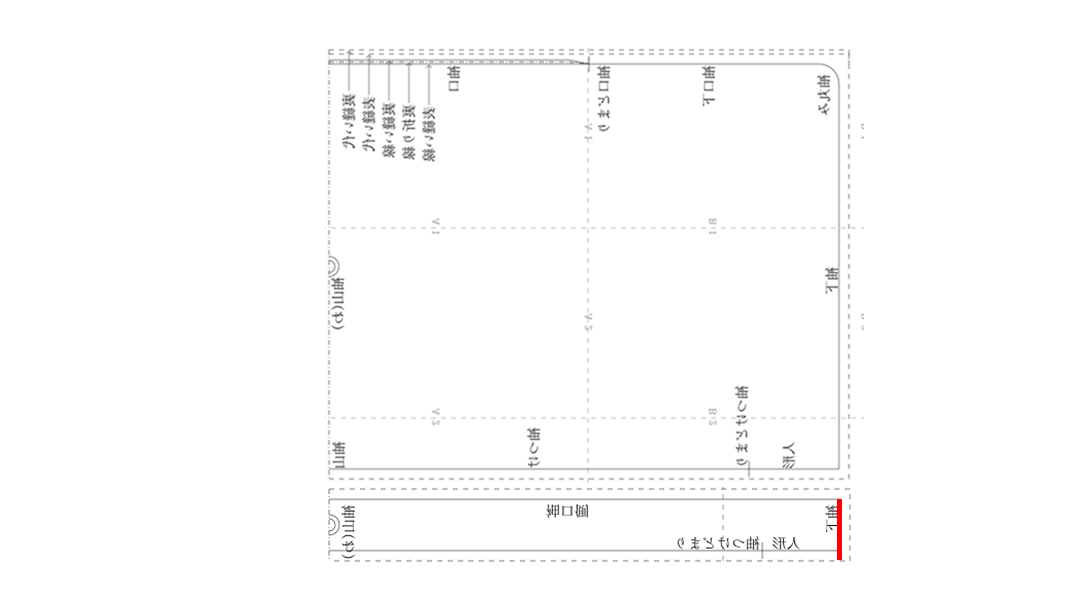
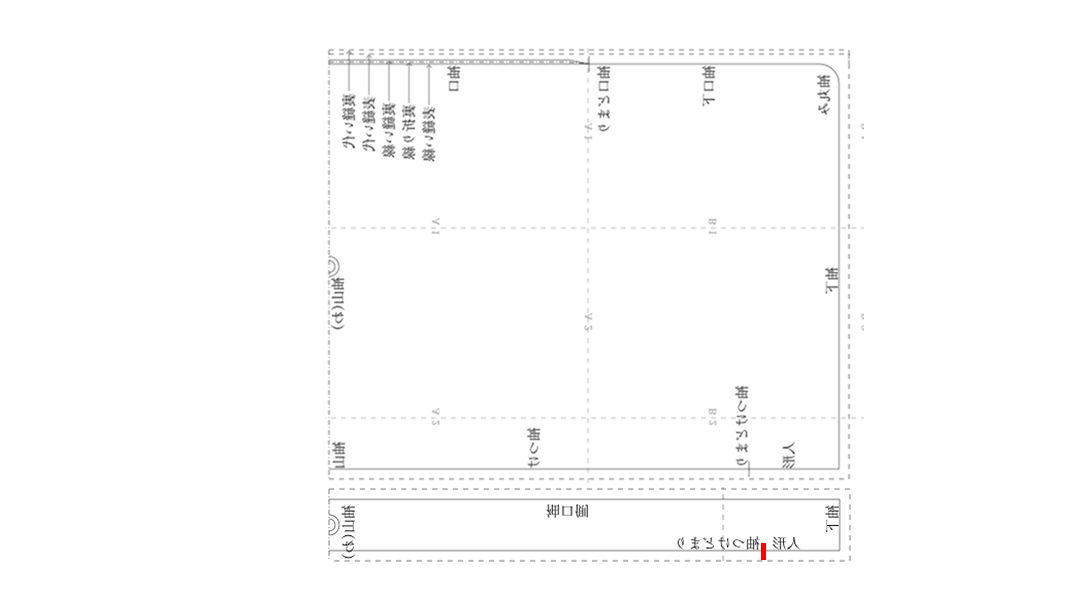
5. Place the pattern and mark the sleeve attachment stop position on the
outer and lining sleeves with chalk.
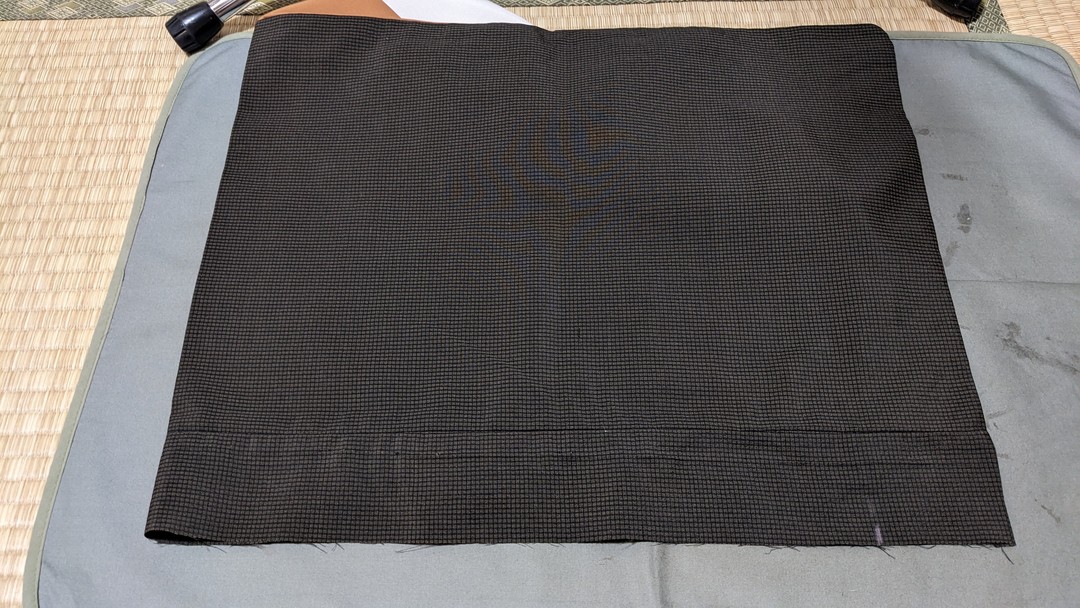
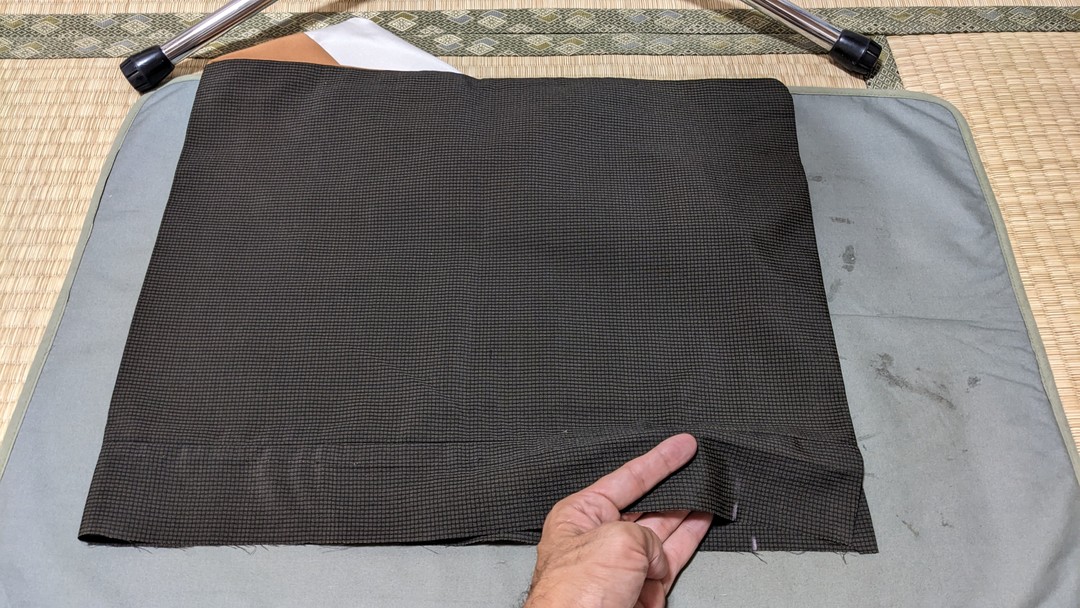
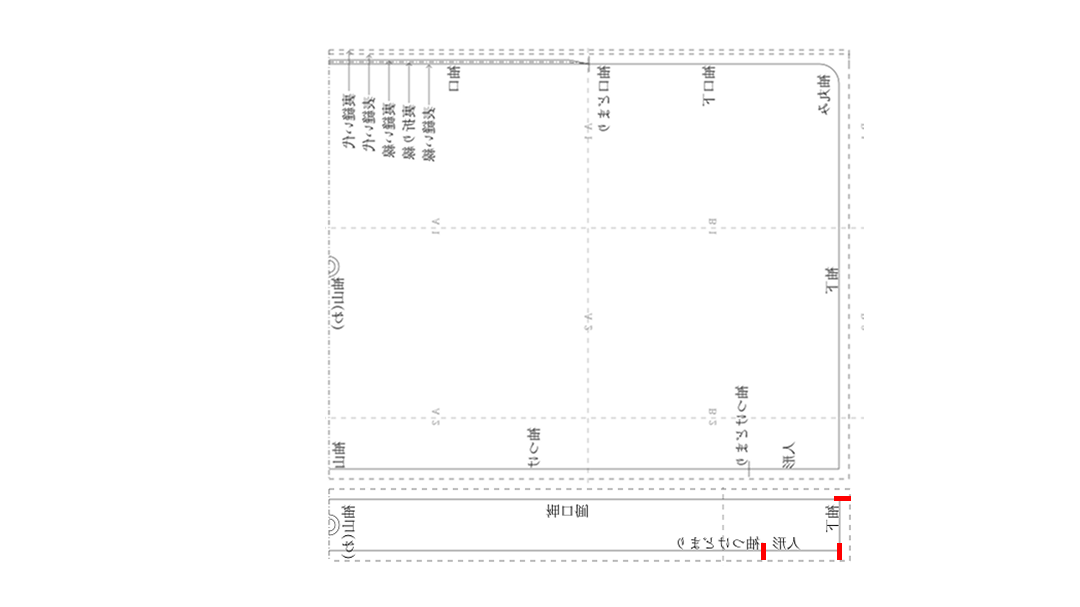
6. Turn to outer sides together, align fabric edges at the sleeve
attachment stop, and baste.
Baste the patch fabric underarm gusset and sleeve bottom as well.
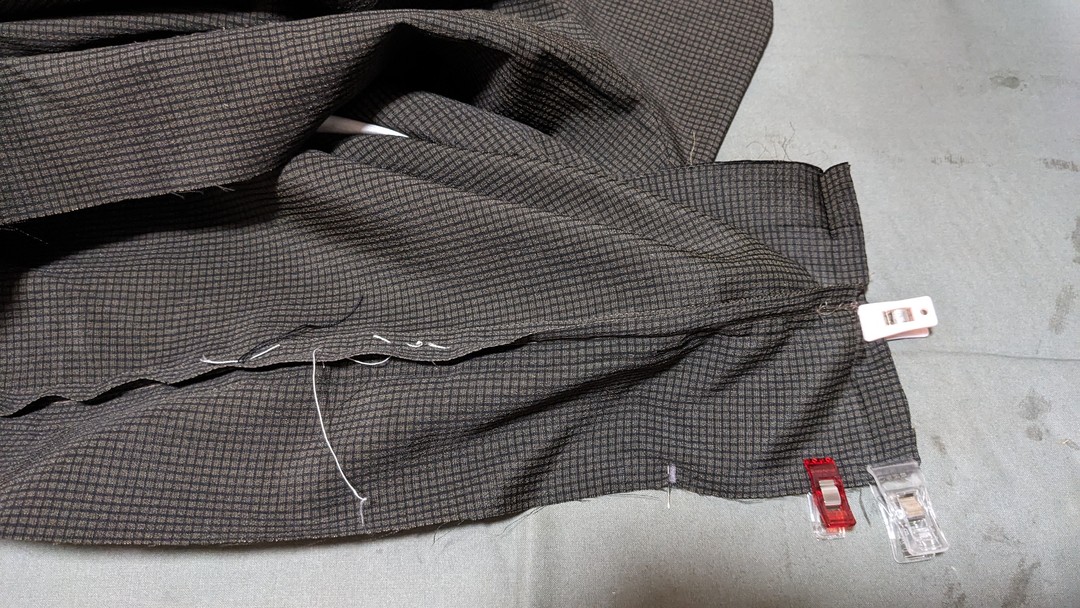
7. With a straight machine stitch, overlap slightly onto the end of the
existing sleeve bottom seam,
and sew the outer and lining sleeve bottoms at the same height as the
sleeve bottom seam.
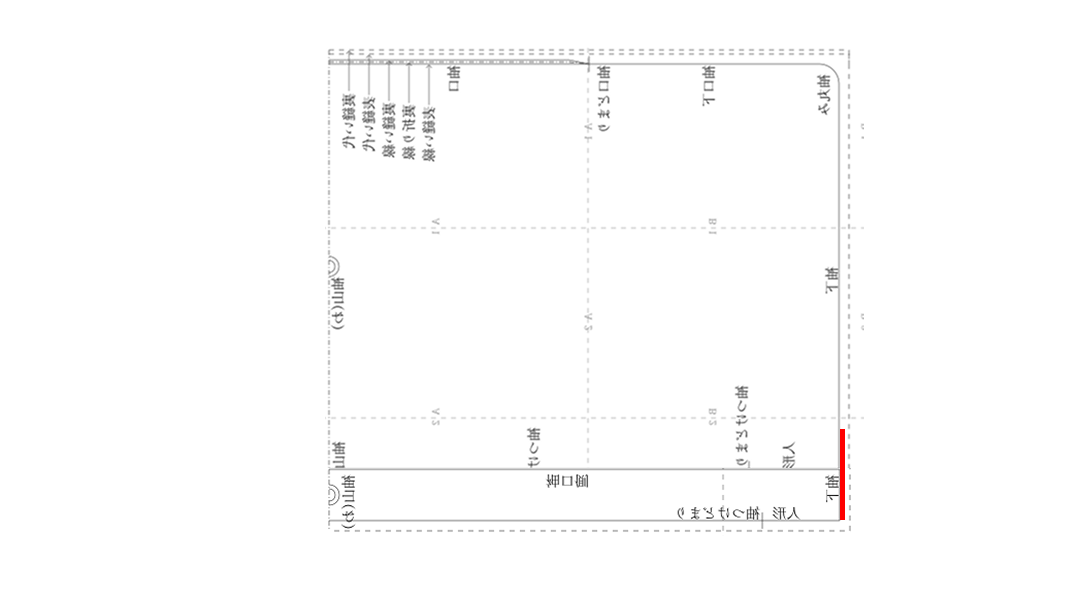
Sew the underarm gusset 1 cm from the fabric edge.
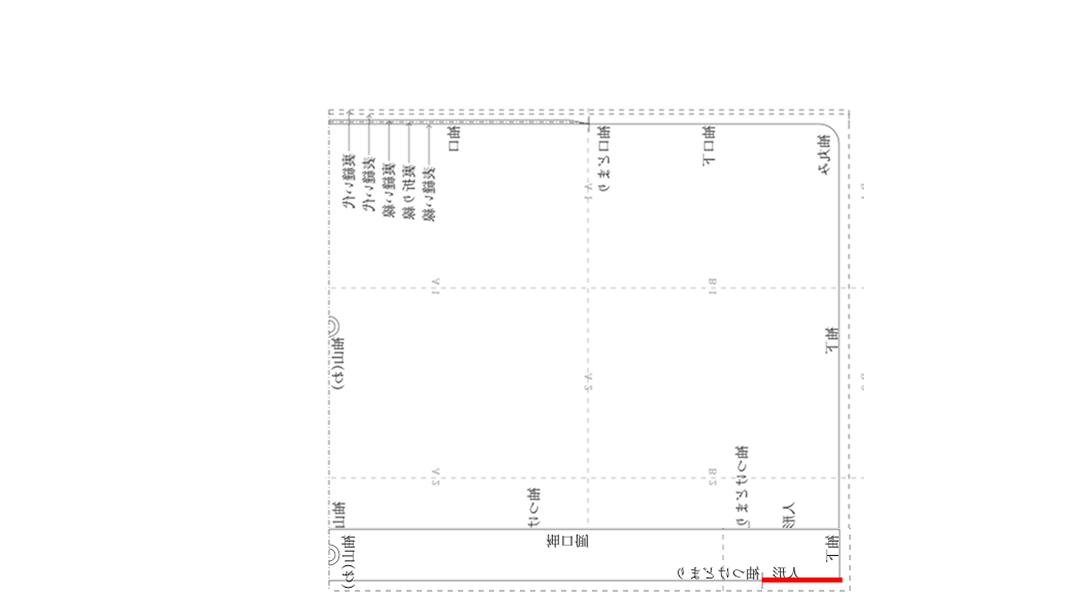
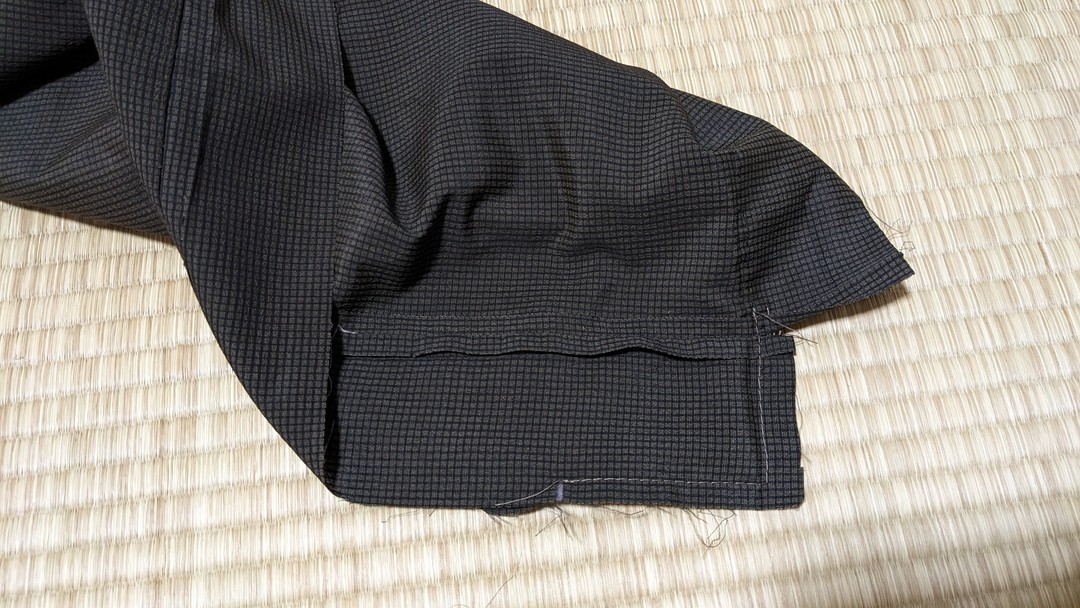
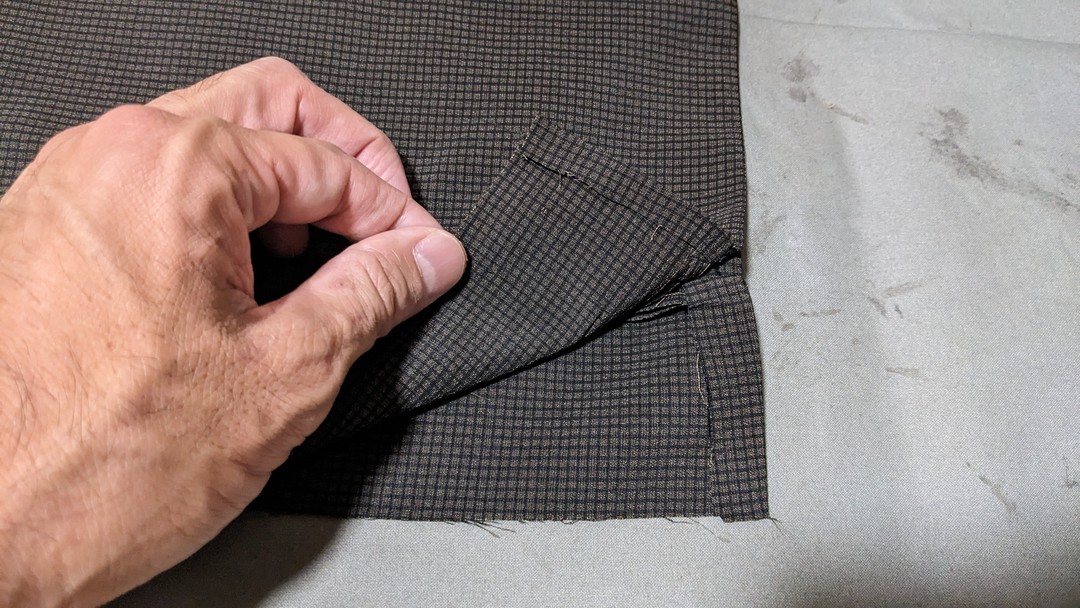
8. Fold the underarm gusset corner along the seam line.
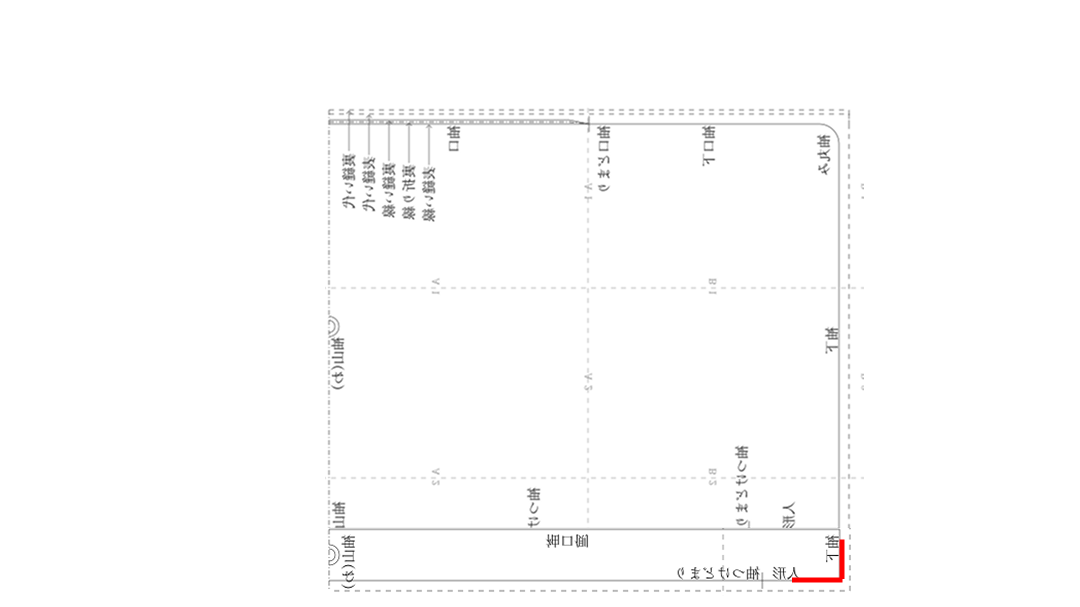
Turn to the outer side while pinching with fingers.
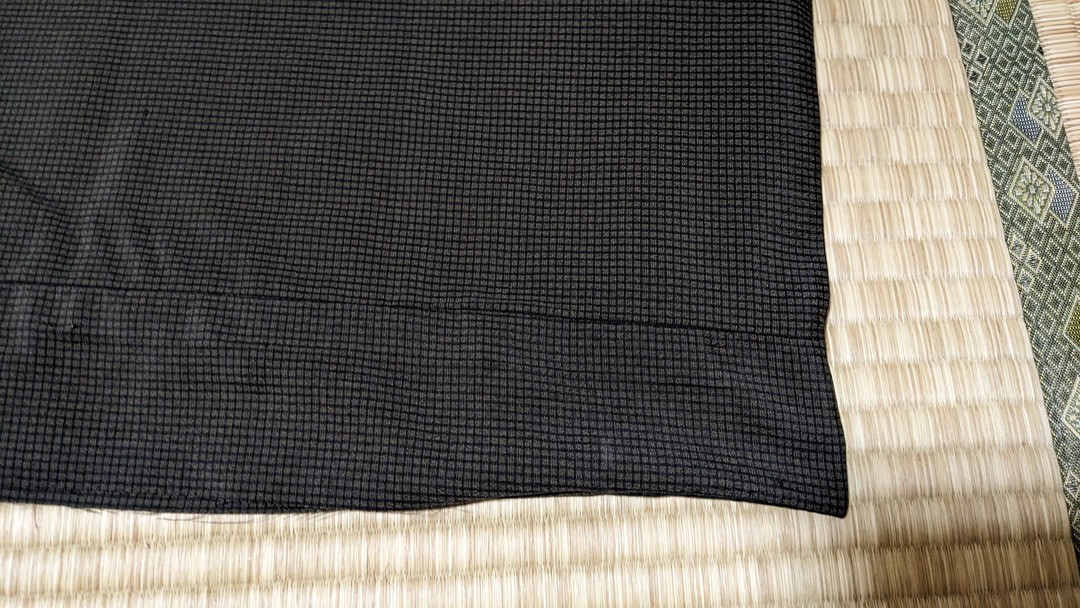
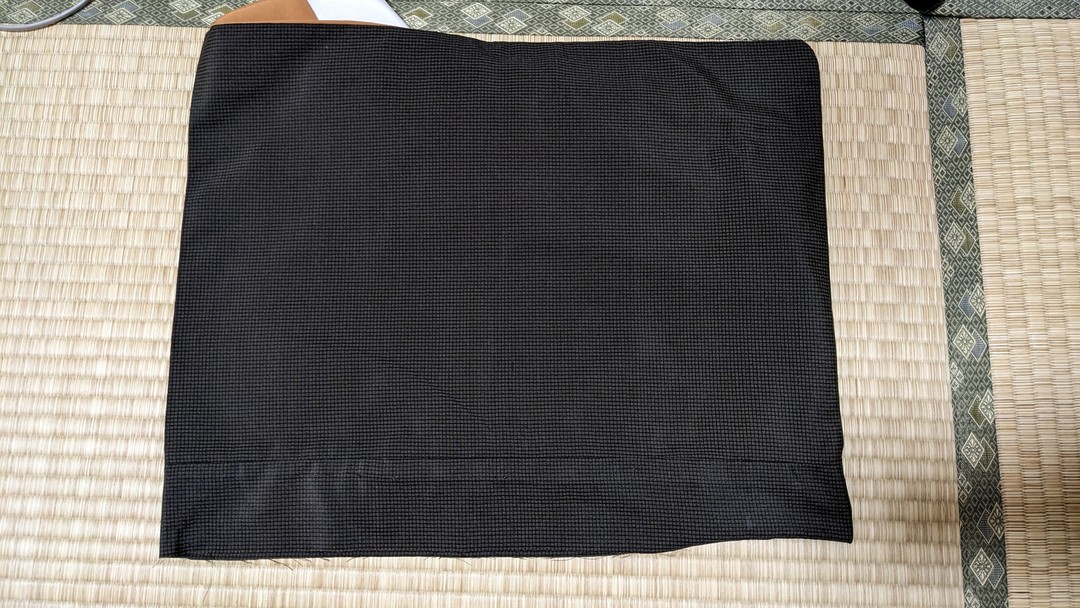
From the right side, cover with a spare piece of fabric and press with
an iron.
9. Do the above on both left and right sleeves.
10. For a lined kimono, process the lining sleeves similarly.
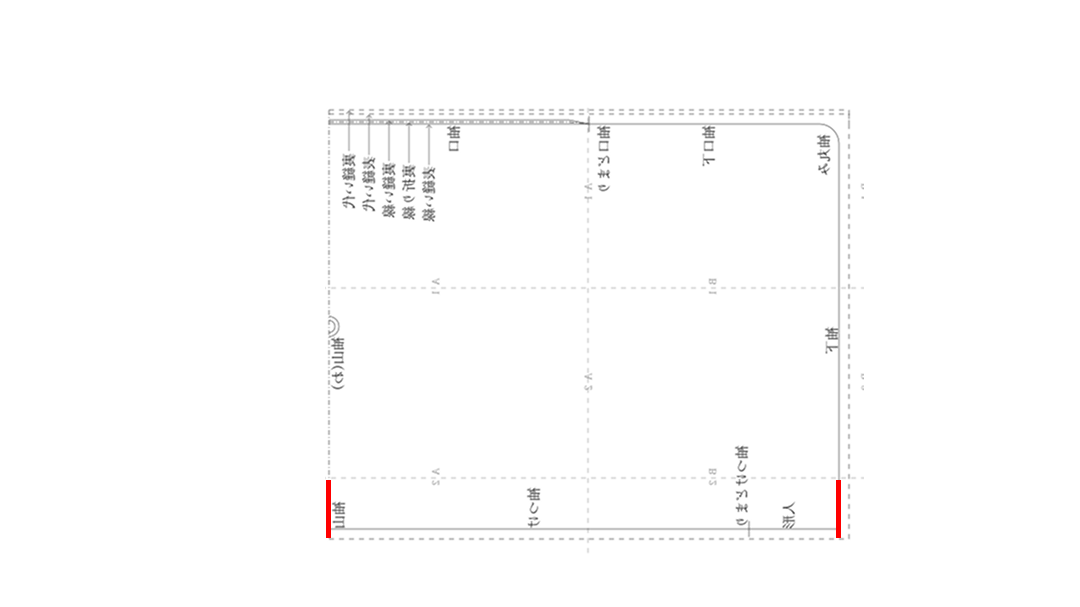
Place the pattern on the wrong side of the lining fabric and baste.
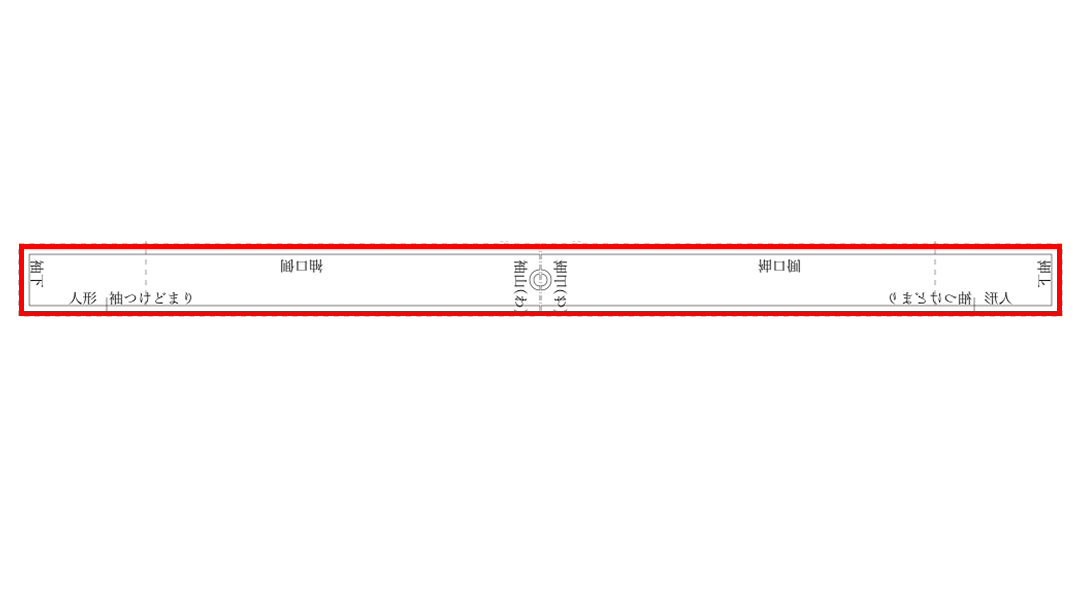
Fold in a “wa” shape,
and cut off both fabric layers together along the seam allowance line.
11. Pull out the lining from the sleeve attachment,
press from the wrong side to remove creases.
Align the sleeve bottom and check the sleeve line.
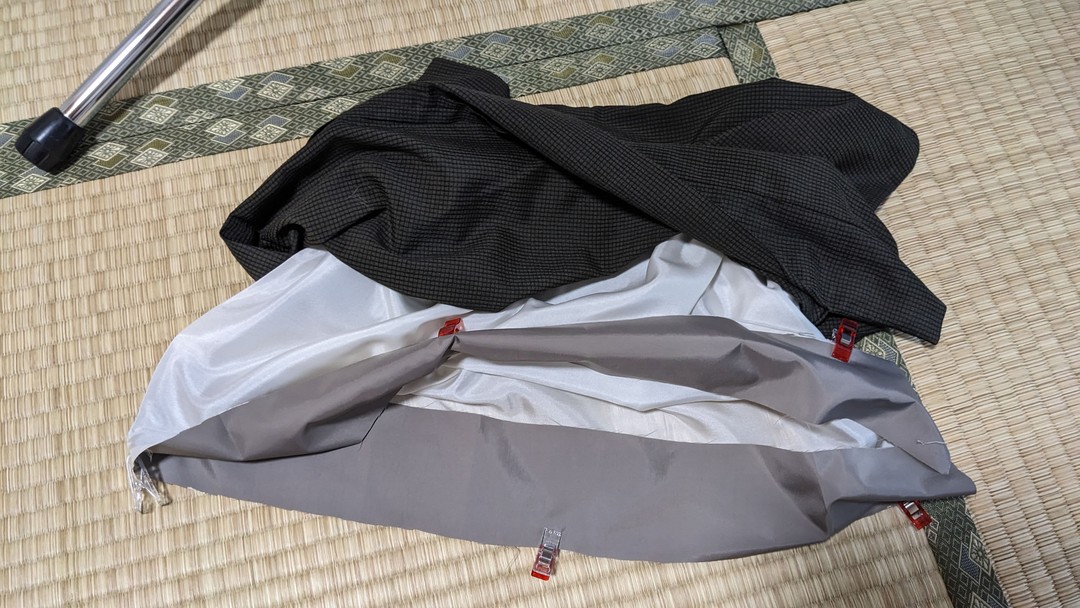
Apply the patch fabric to the lining from the inside. This puts outer
sides together.
Baste.
12. Sew the sleeve attachment and patch fabric together with a straight
machine stitch 1 cm from the fabric edge.
When finished sewing, pull the threads to secure.
Press open the seam allowances with an iron.
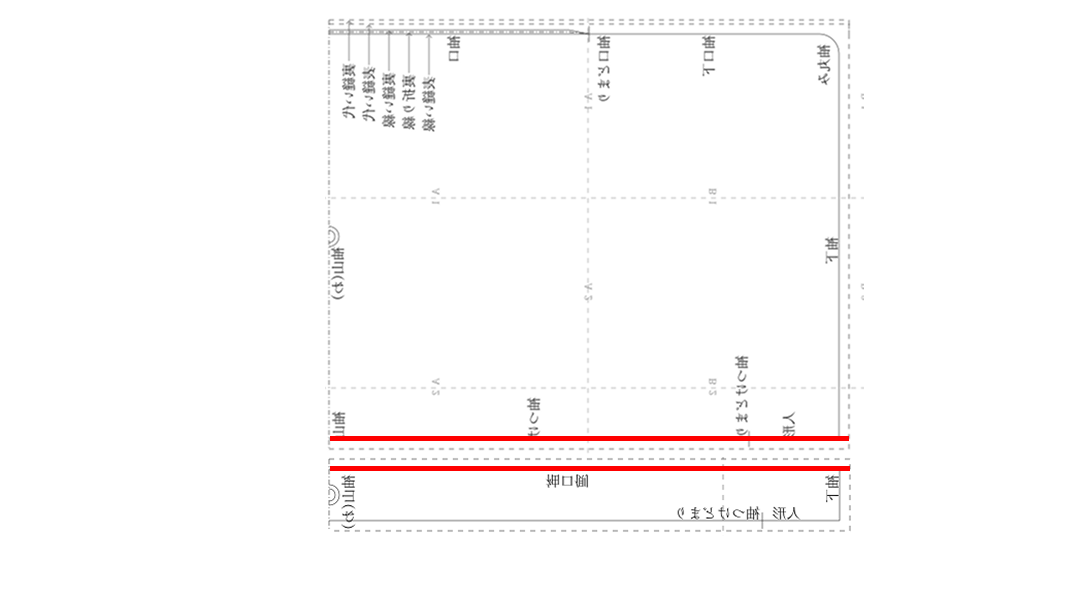
13. Check the sleeve line,
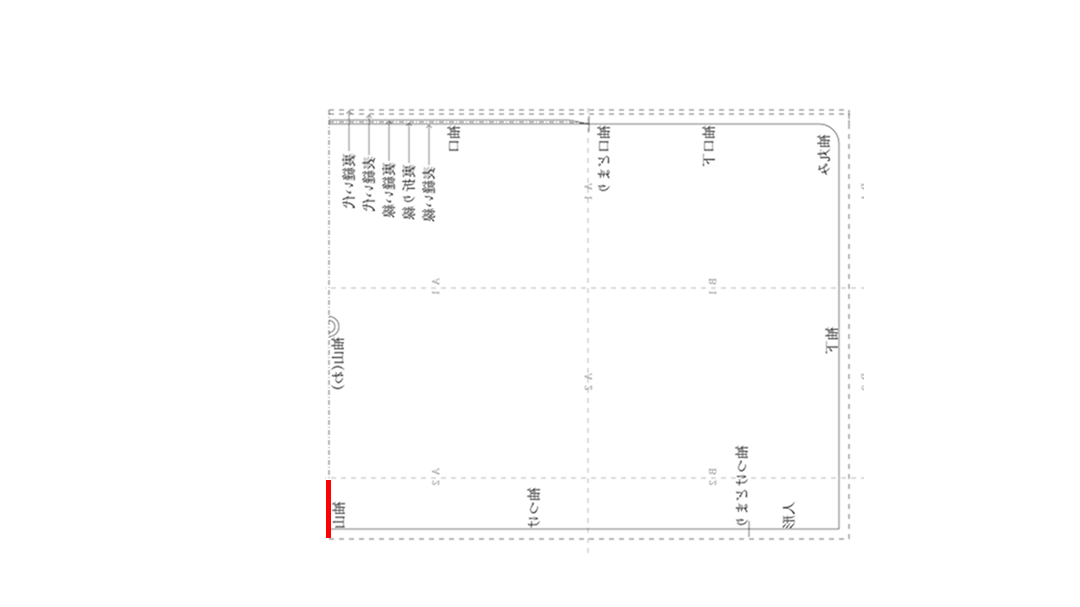
and clip the sleeve attachment and underarm gusset together.
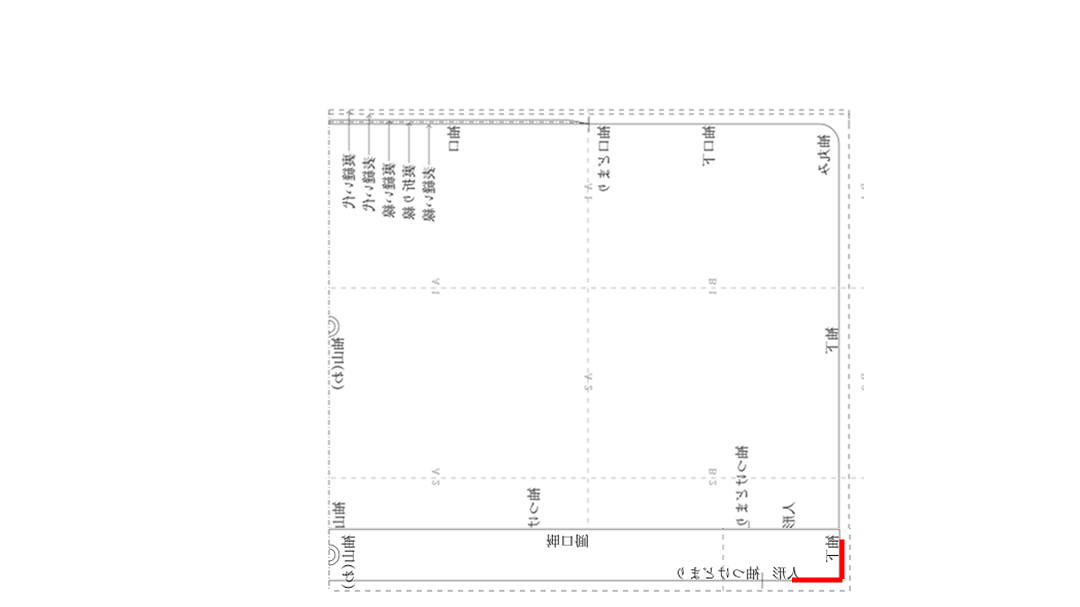
Use the pattern to baste a mark at the sleeve attachment stop.
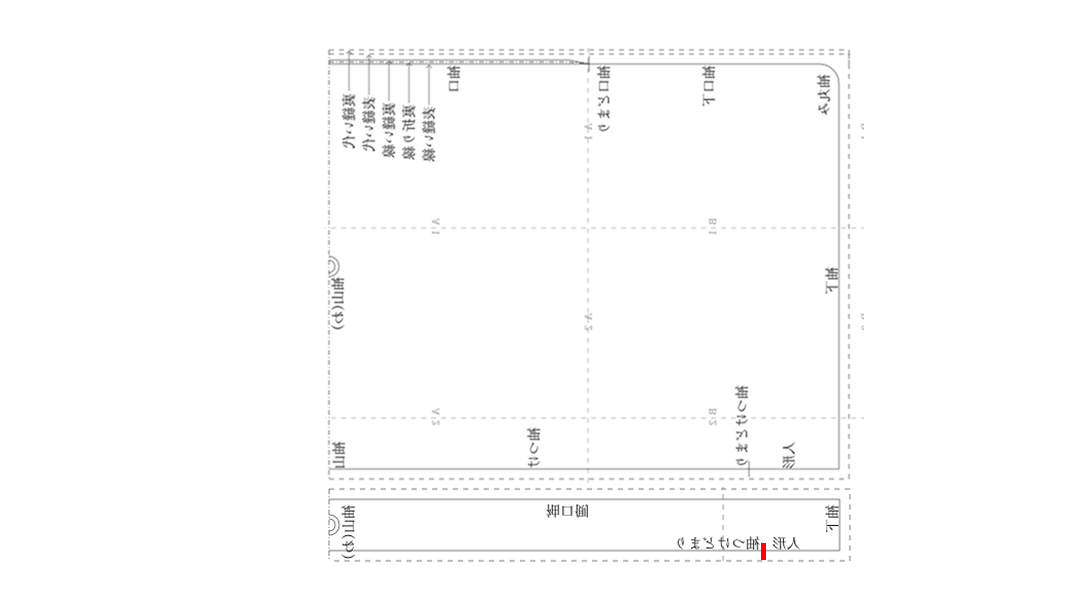
14. Machine-stitch the sleeve bottom at the same height as the existing
sleeve bottom seam.
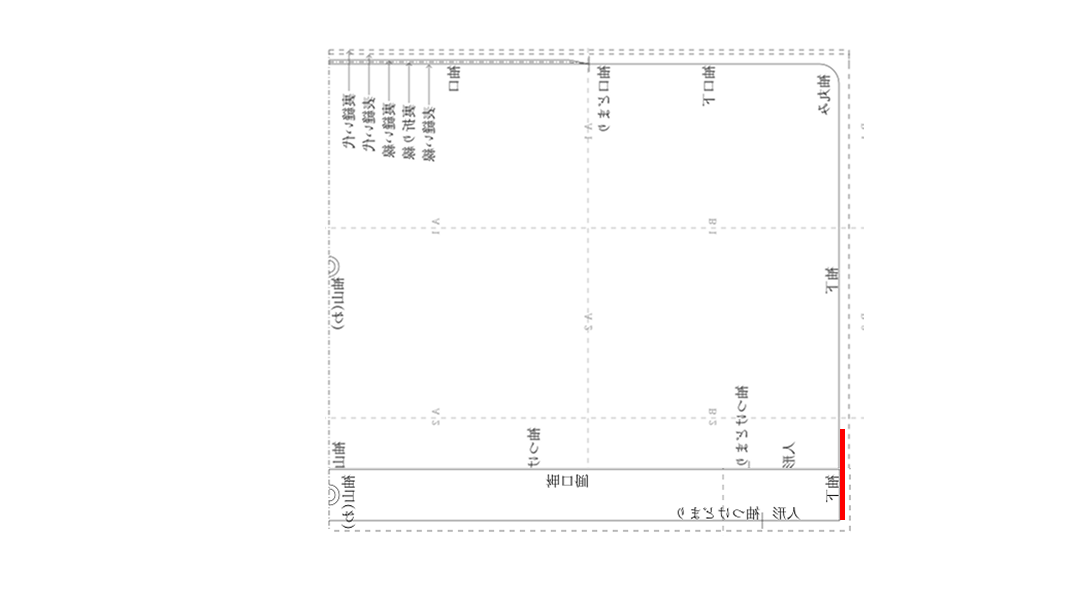
Straight-stitch the underarm gusset 1 cm from the fabric edge.
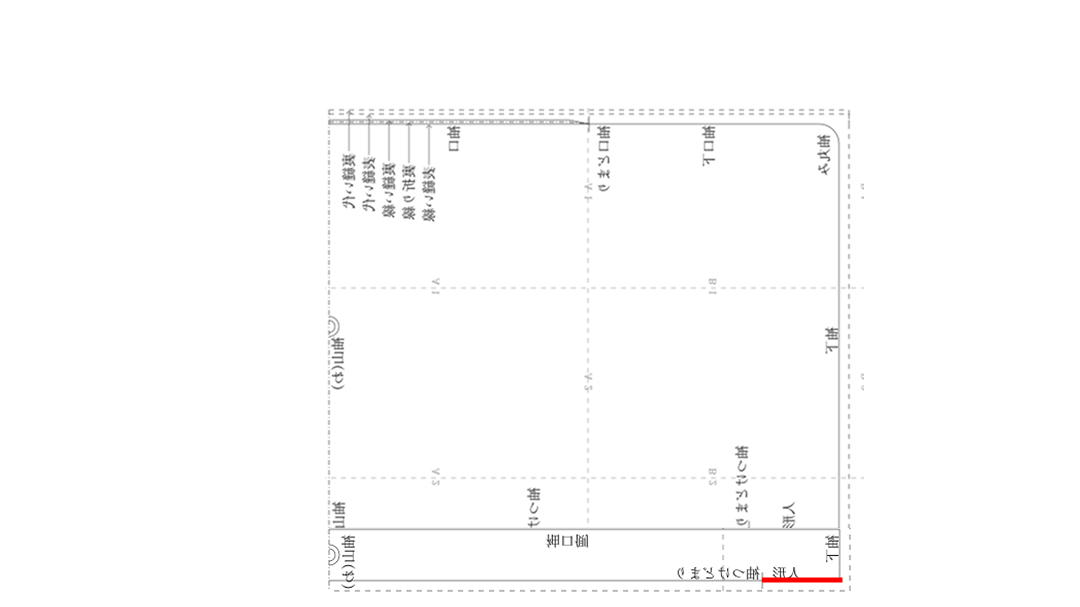
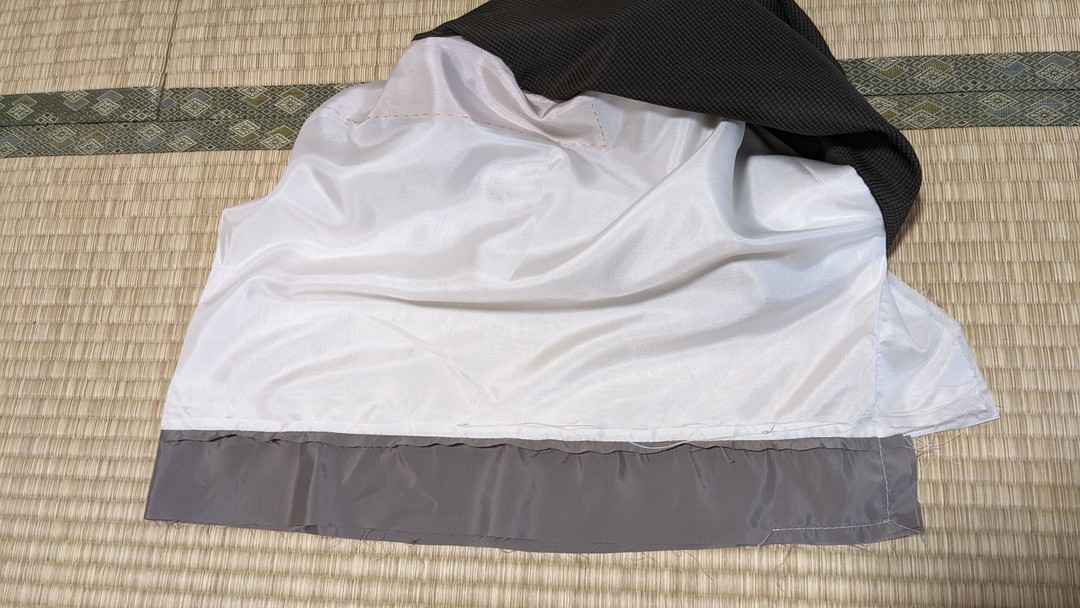
15. Fold the new sleeve bottom seam allowance in the same direction as
the existing sleeve bottom seam allowance.
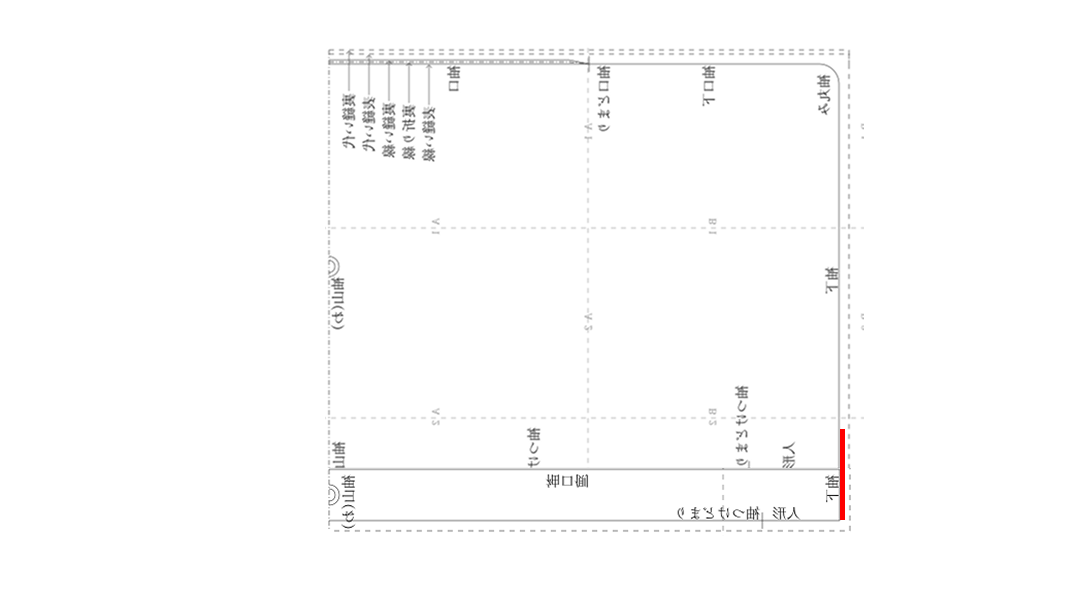
Return the turned-back outer fabric to its original position.
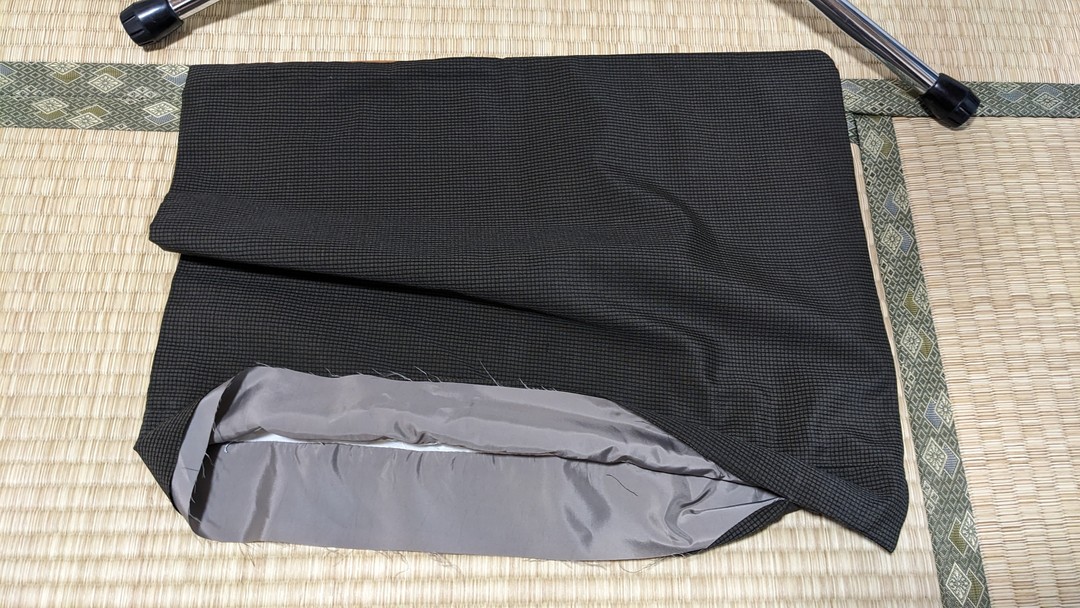
16. Do the above on both left and right sleeves.
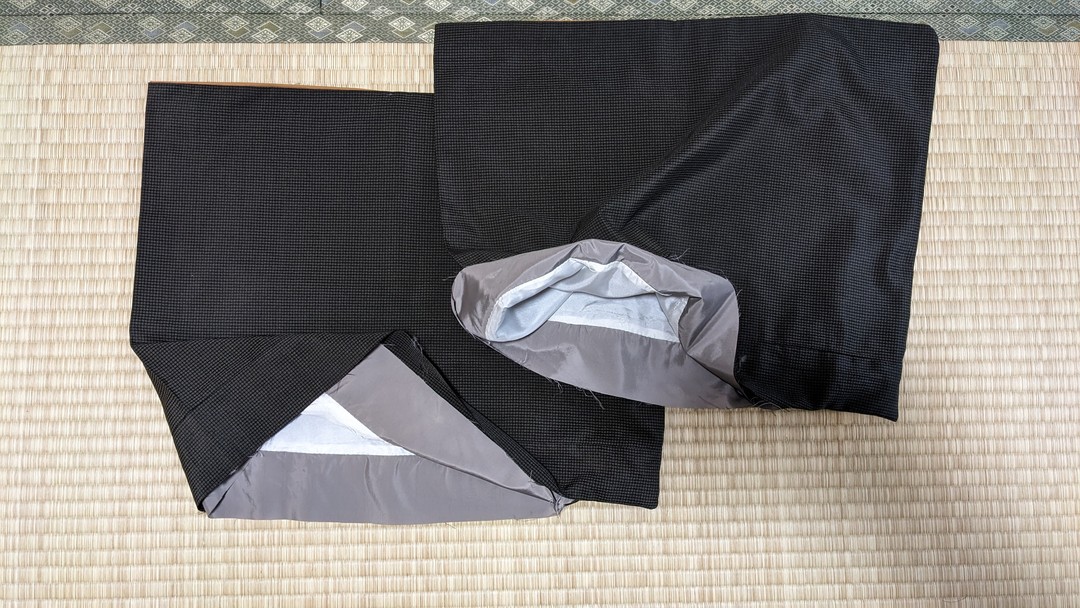
Finished
On the Alteration Guide, enter the measurements of the kimono you have,
enter the target gender and size after tailoring,
and the differences are calculated automatically.
What needs alteration and what can be altered are diagnosed
automatically.
When you choose what you want to alter, the required patch fabric and
where it can be taken from
are calculated automatically, and according to that area,
videos on unpicking, making patch fabric, and resewing
are displayed.